Cart
0
You may also like
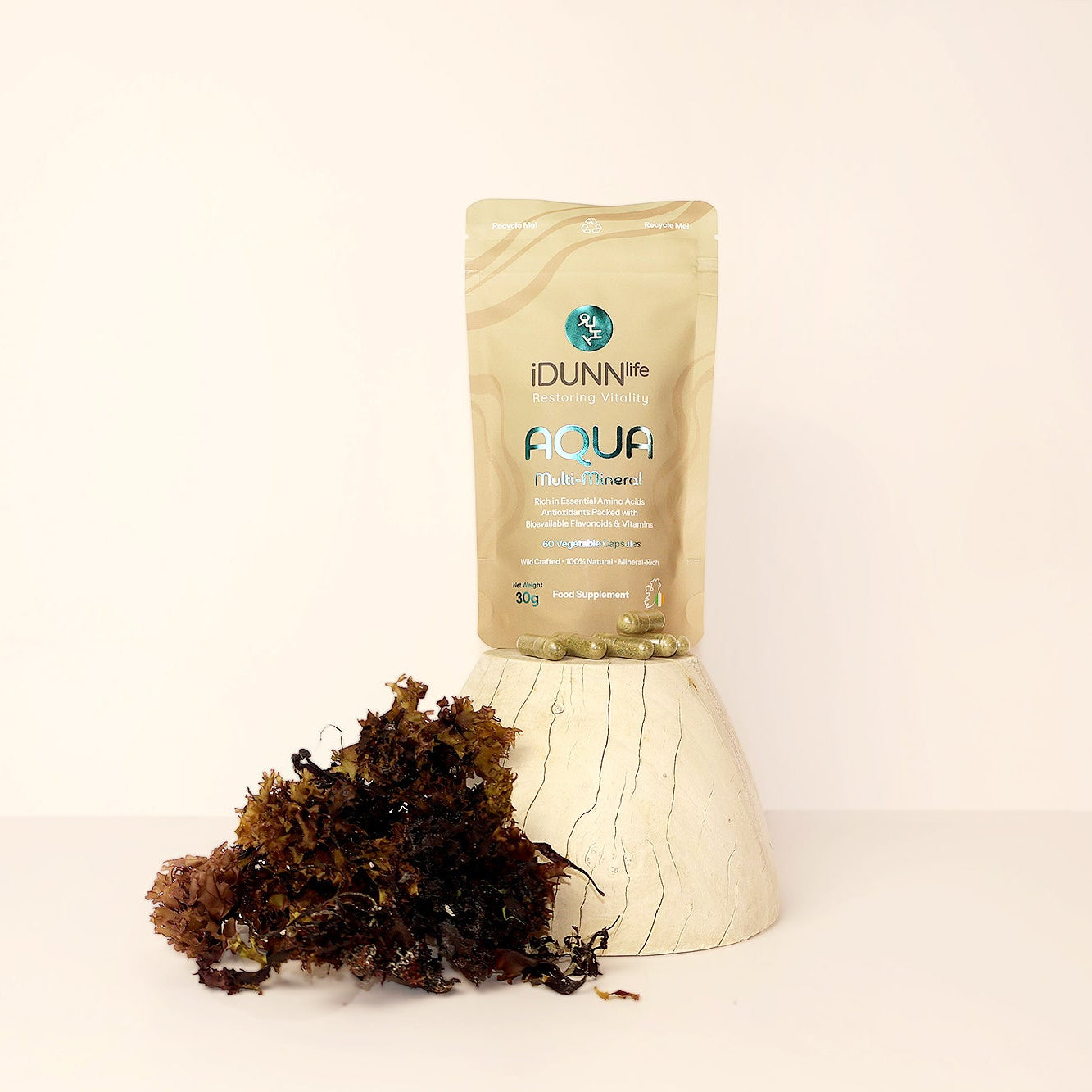
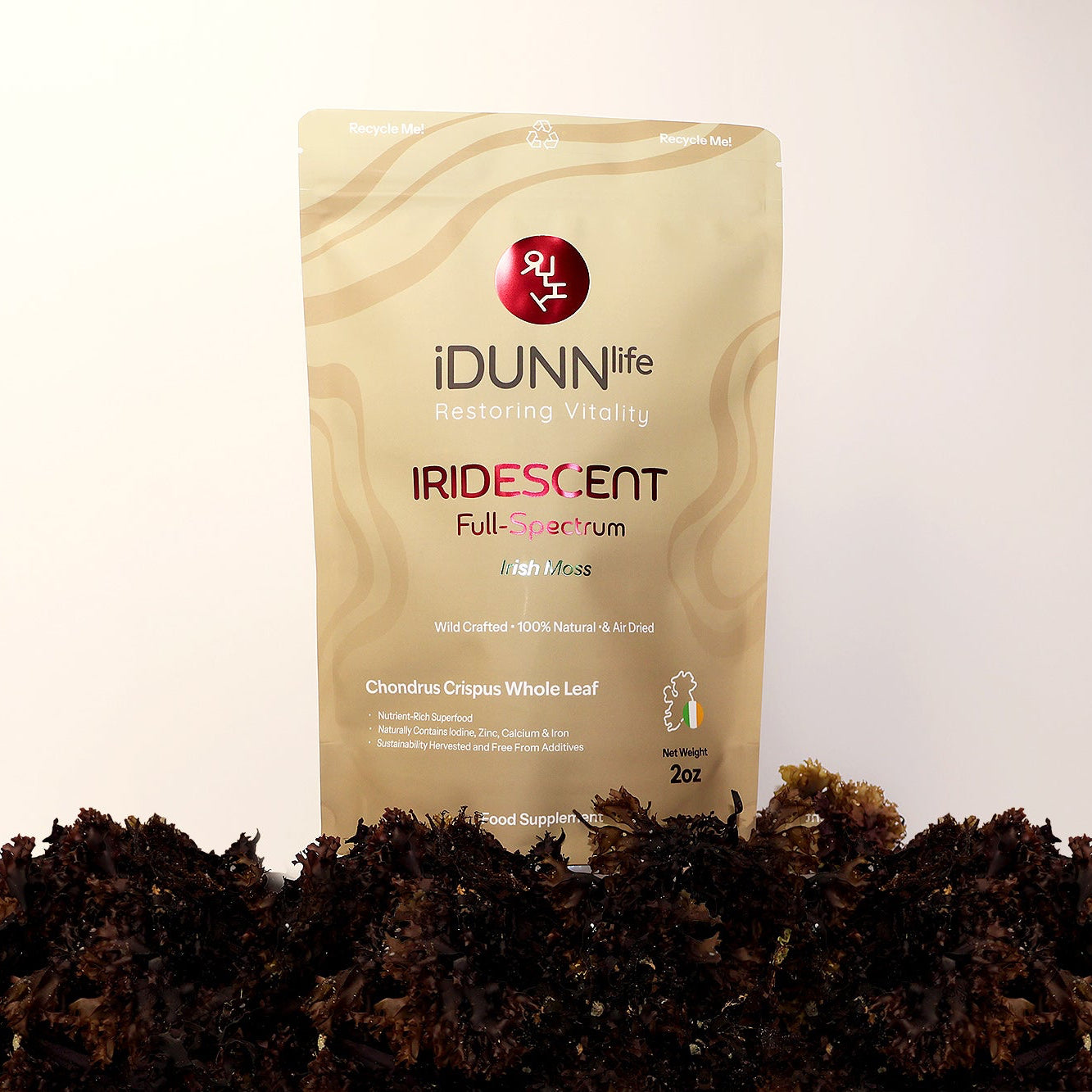
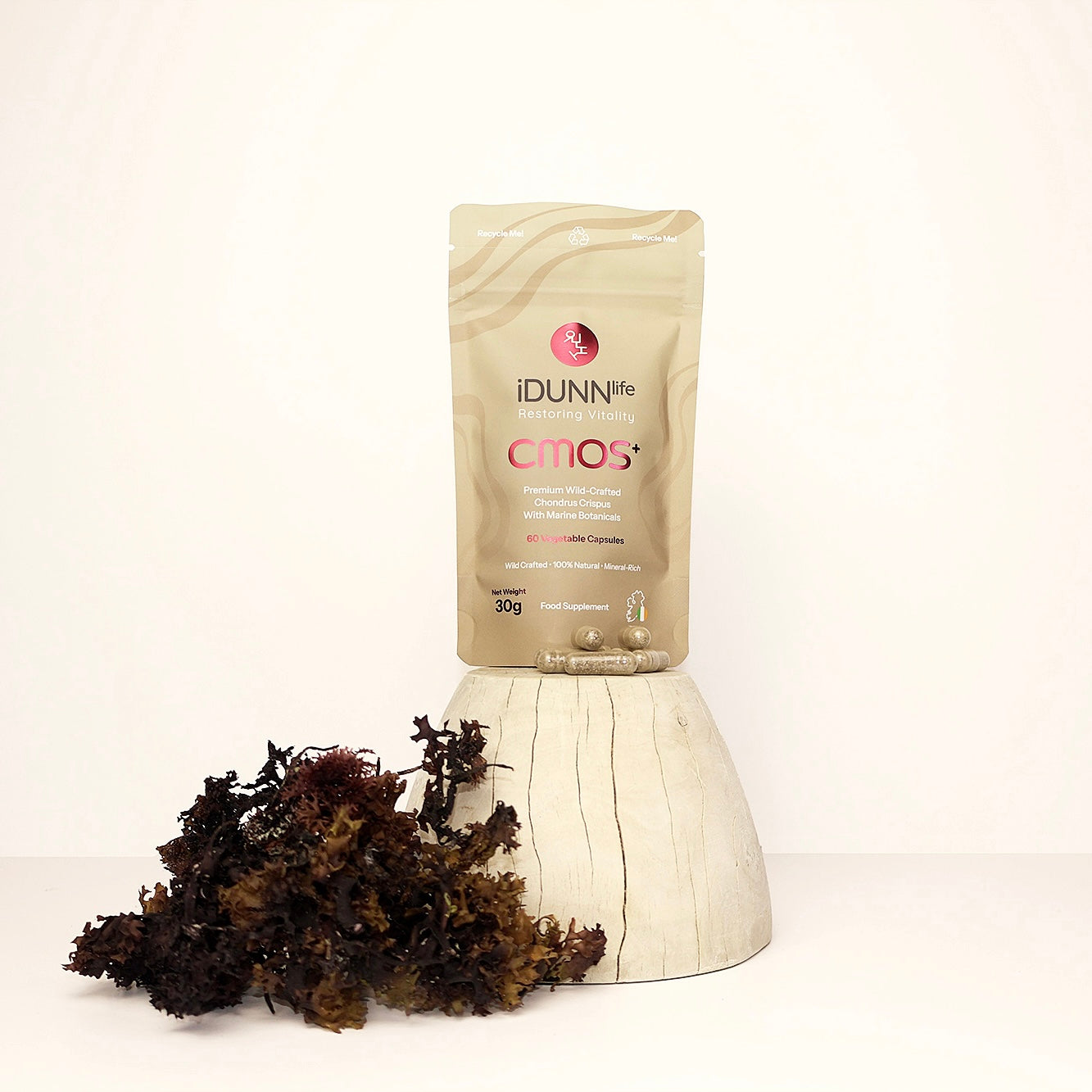


You may also like


Table of Contents
Minerals keep your body running. You hear about calcium and magnesium all the time. Those are microminerals, needed in larger amounts. But there is another group that gets less attention. That group is 'trace minerals, and finding the best trace mineral supplement means knowing what to look for before you buy.
‘Trace minerals’ refer to elements such as zinc, selenium, copper, and iodine. Your body requires these minerals in small quantities, but they are equally essential. These minerals participate in many fundamental biochemical processes within the body and are recognised for their role in supporting normal nutritional balance. Given the wide range of products available, selecting a suitable trace mineral supplement requires careful consideration. Some products contain low-cost forms that the human body finds hard to absorb. Others have added unnecessary fillers.
Trace minerals are essential nutrients your body requires in small daily amounts. Unlike macro minerals such as calcium or magnesium, you only need micrograms or milligrams of these.
Here are the main ones and what they do:
These minerals participate in many routine biochemical processes within the body. They act as cofactors for enzymes, meaning they help chemical reactions happen in your body. Without enough trace minerals, those reactions slow down.
According to the MSD Manual, trace minerals are involved in everything from energy production to hormone function. That is why choosing the best trace mineral supplement matters if you are trying to fill gaps.
Also Read: What Is Chondrus Crispus? Health Benefits and Uses Explained
You would think eating well gives you everything you need. But modern food production changes things.
Soil depletion is a real concern. Decades of farming have stripped minerals from soil in many regions. Fruits and vegetables grown today may contain fewer minerals than they did generations ago.
Food processing also removes minerals. White flour, white rice, and refined sugars have been stripped of their natural nutrient content. Even whole foods lose minerals during transport and storage.
Purified water systems add to the problem. Reverse osmosis and distilled water remove minerals completely. If you drink mostly purified water, you are missing a source of trace minerals that people used to get from tap water or springs.
Athletes and active people lose minerals through sweat. If you exercise regularly or live in a hot climate, your needs may be higher than average.
For these reasons, trace mineral supplements can be included as part of a varied, balanced diet.
Not all supplements are created equal. Here are the key things to check before buying. Whether you prefer trace mineral capsules or liquid forms, the quality indicators remain the same.
The form of a mineral determines how well your body can absorb it. Look for specific chemical names on the label, not just the mineral name.
Good forms include:
Avoid vague listings like "zinc oxide" or "copper sulphate". These are cheaper forms that your body does not absorb as well. Some trace mineral supplements use chelated forms, where minerals are bound to amino acids to improve stability and compatibility with normal digestive processes.
Supplements are not tightly regulated. A brand can put almost anything in a bottle and call it a day. That is why third-party testing matters. Look for products that have been tested by independent labs.
They should screen for:
Some brands display a seal from organizations like NSF International or USP. At minimum, they should state on the website that third-party testing is done.
A well‑formulated trace mineral supplement typically includes a range of essential trace elements rather than only one or two. It provides a broad spectrum.
Look for products that include at least the following:
Some products also include boron, vanadium, or silicon. More minerals are not always better, but a comprehensive formula that covers more bases is always a good idea.
See what is in the capsule besides the minerals. The best trace mineral supplements use minimal fillers.
Avoid products with:
Acceptable additives include small amounts of rice flour, cellulose, or magnesium stearate. But the shorter the list, the better.
Where do the minerals come from? Some brands source from the ocean. Others use mined minerals or synthetic forms.
Marine mineral capsules come from seawater. They are concentrated through evaporation, leaving a broad spectrum of trace minerals in ionic form. These formulations reflect mineral profiles found in natural marine environments and are valued for their broad spectrum composition.
If you choose marine minerals capsules, look for information about the source. The cleanest options come from protected bodies of water like the Great Salt Lake or the coast of Ireland.
At iDUNNLife, trace minerals are approached as part of a whole‑source nutritional framework rather than isolated, synthetic additions. Emphasis is placed on mineral forms that remain close to their natural state, with sourcing and preparation methods chosen to preserve integrity rather than maximise concentration. This approach reflects traditional practices where minerals were obtained through food and environment, not extraction or fortification.
Also Read: Does Seamoss Help with Weight Loss? Evidence and Benefits
You will find trace minerals in different forms. Capsules and liquids are the most common.
Trace Mineral Capsules:
Liquid Drops:
Both formats can be used depending on individual preference, routine, and tolerability, rather than perceived effectiveness. The choice comes down to personal preference. If you dislike strong tastes, capsules are the way to go. If you want to adjust your dose easily, liquids offer flexibility. For consistent daily intake, trace mineral capsules provide a reliable option.
For those seeking a sea-derived option, Marine mineral capsules contain multiple trace elements in naturally occurring ratios. Marine mineral capsules come from seawater. The water is evaporated naturally, leaving behind a concentrated mineral complex.
These products contain a wide range of trace minerals in ionic form. 'Ionic' means the minerals carry an electrical charge, which some research suggests may help with absorption.
Because seawater contains minerals in natural ratios, marine mineral capsules provide a broad spectrum. You get not just the main trace minerals but also smaller amounts of others like rubidium, caesium, and platinum group elements.
For people who want a whole-food approach, marine mineral capsules offer a way to get minerals as nature intended.
Some things should raise red flags.
Not everyone needs a trace mineral supplement. Here is a quick self-check.
You might benefit if:
According to experts, people with higher needs include athletes, older adults, and those with digestive issues that affect absorption. If you are unsure, a healthcare provider can run blood tests to check your levels.
Follow the label directions. Most products recommend one to two capsules daily with food. Taking minerals with food helps absorption and reduces the chance of stomach upset. Some minerals compete for absorption, so spreading them throughout the day can help.
Do not take more than the recommended amount. More is not better with trace minerals. Some, like selenium and copper, can be toxic in high doses.
1. What is the best trace mineral supplement brand?
The best brand is one that uses bioavailable forms, third-party testing, and clean ingredients. Look for specific mineral forms on the label rather than relying on brand names alone.
2. Are trace mineral capsules better than liquids?
Neither is better. Capsules are convenient and tasteless. Liquids offer flexible dosing. Choose based on your preference.
3. What are marine minerals capsules?
Marine mineral capsules are made from concentrated seawater. They contain a broad spectrum of trace minerals in natural ratios and in ionic form.
4. Can I take trace minerals with other supplements?
Generally yes. But space them out if you take high doses of other minerals. Calcium and magnesium can compete with trace minerals for absorption.
5. How long does it take to notice a difference?
Responses vary between individuals and depend on overall diet, lifestyle, and long‑term patterns rather than short‑term use. Individual experiences vary, and any perceived changes depend on overall diet, lifestyle, and personal nutritional needs. For others, the effects are quite subtle and take time to build.
Also Read: What Are the Top 10 Benefits of Sea Moss You Need to Know