Cart
0
You may also like
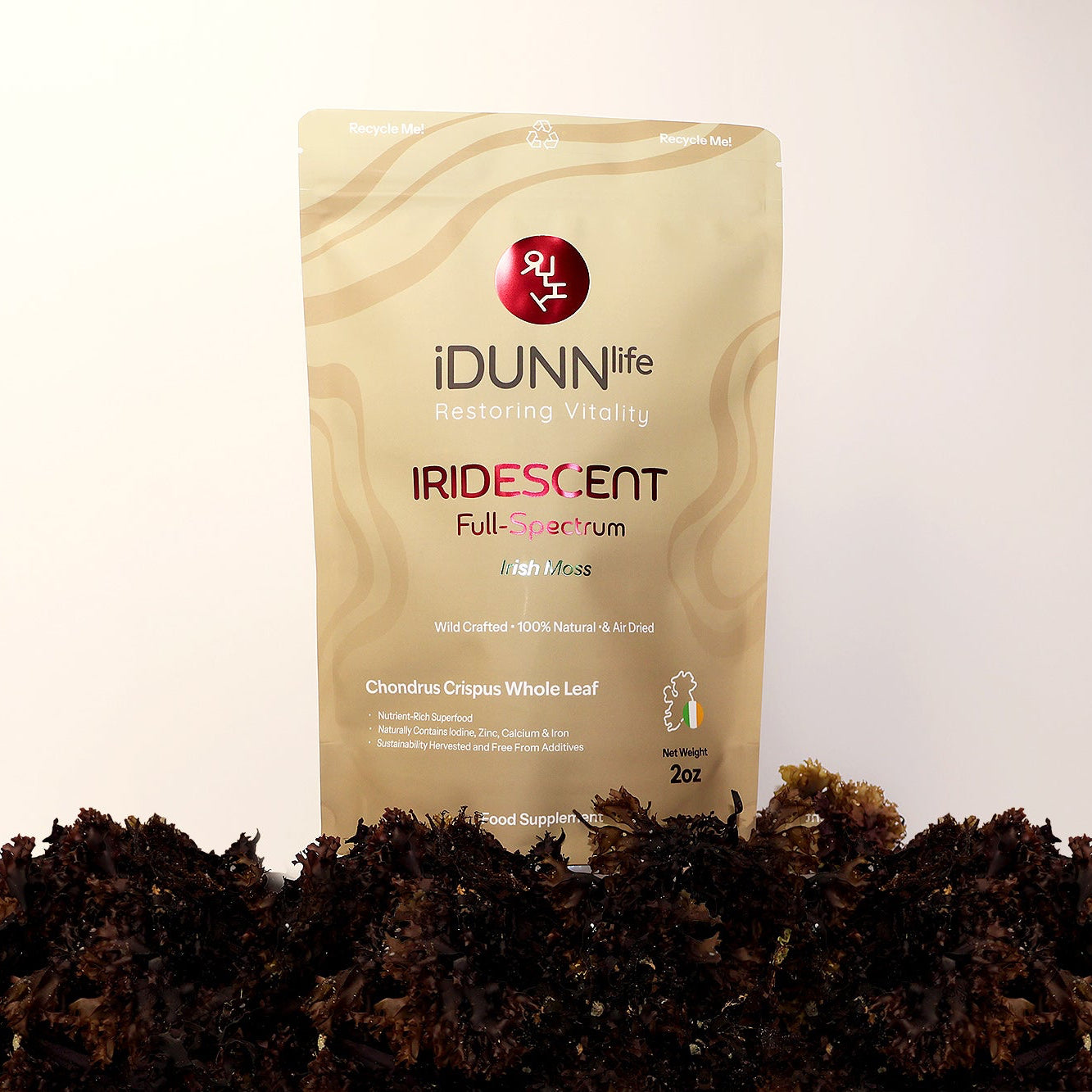
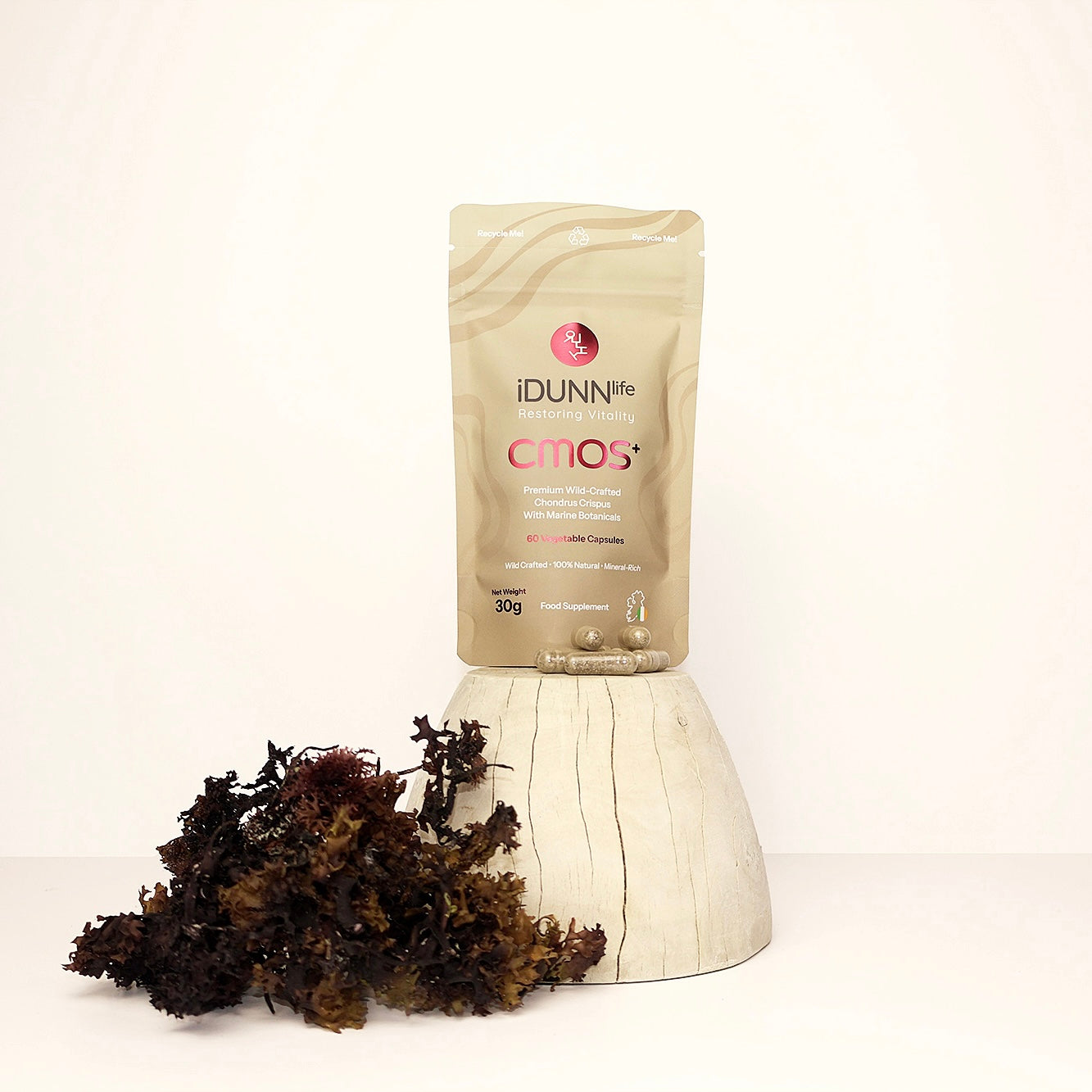


You may also like


Table of Contents
Sea plants have been part of human diets for centuries, particularly in coastal regions of Ireland, Scotland, and the North Atlantic. Today, many people explore the benefits of sea moss and bladderwrack as traditionally harvested marine plants valued for their naturally occurring mineral content.
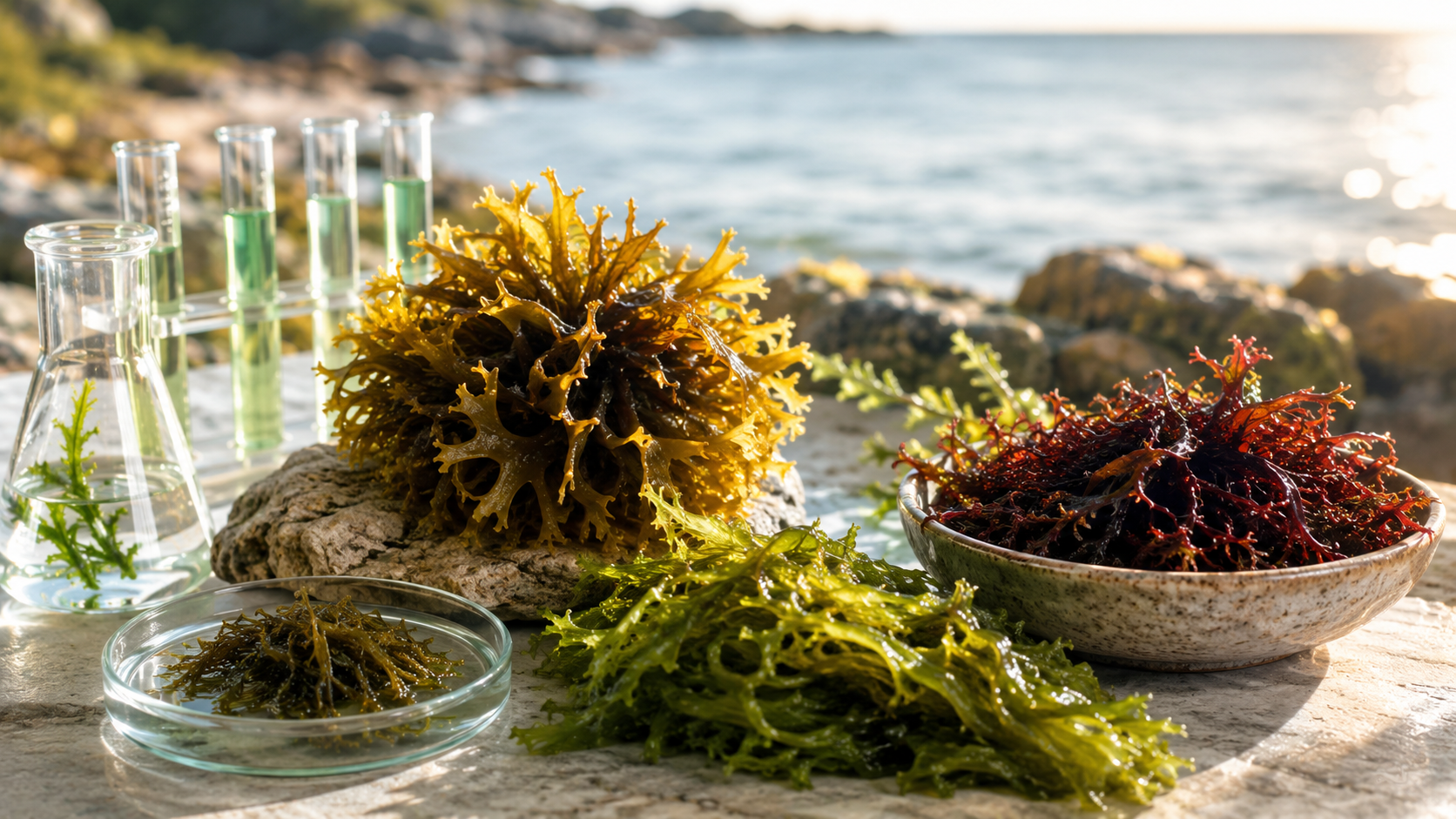
Sea moss is a red algae that grows along rocky Atlantic shores. Bladderwrack is a brown kelp found in the same cold waters. They grow in different zones but share similar mineral profiles. People combine them for a broader range of nutrients.
If you have wondered about the benefits of sea moss and bladderwrack, this guide covers what you need to know. We look at the nutrients they provide, how they work together, and what to look for in quality products.
Sea moss, or Chondrus crispus, is a red seaweed found along the Atlantic coasts of Ireland, Europe, and North America. It contains iodine, calcium, magnesium, and zinc. It has been used in traditional food preparation for generations.
Bladderwrack, or Fucus vesiculosus, is a brown kelp that grows in the same regions. It has been used in folk medicine and as a dietary supplement.
Like sea moss, it is a source of iodine and other trace minerals. Sea moss and bladderwrack both are rich in soluble fibre and contain natural antioxidants. Sea moss and bladderwrack contain naturally occurring soluble fibres and antioxidant compounds that are well documented in nutritional science and marine ingredient research as part of their overall composition. Together, sea moss and bladderwrack present a wide range of minerals. Therefore, lots of individuals decide to take sea moss bladderwrack capsules as part of their routine.
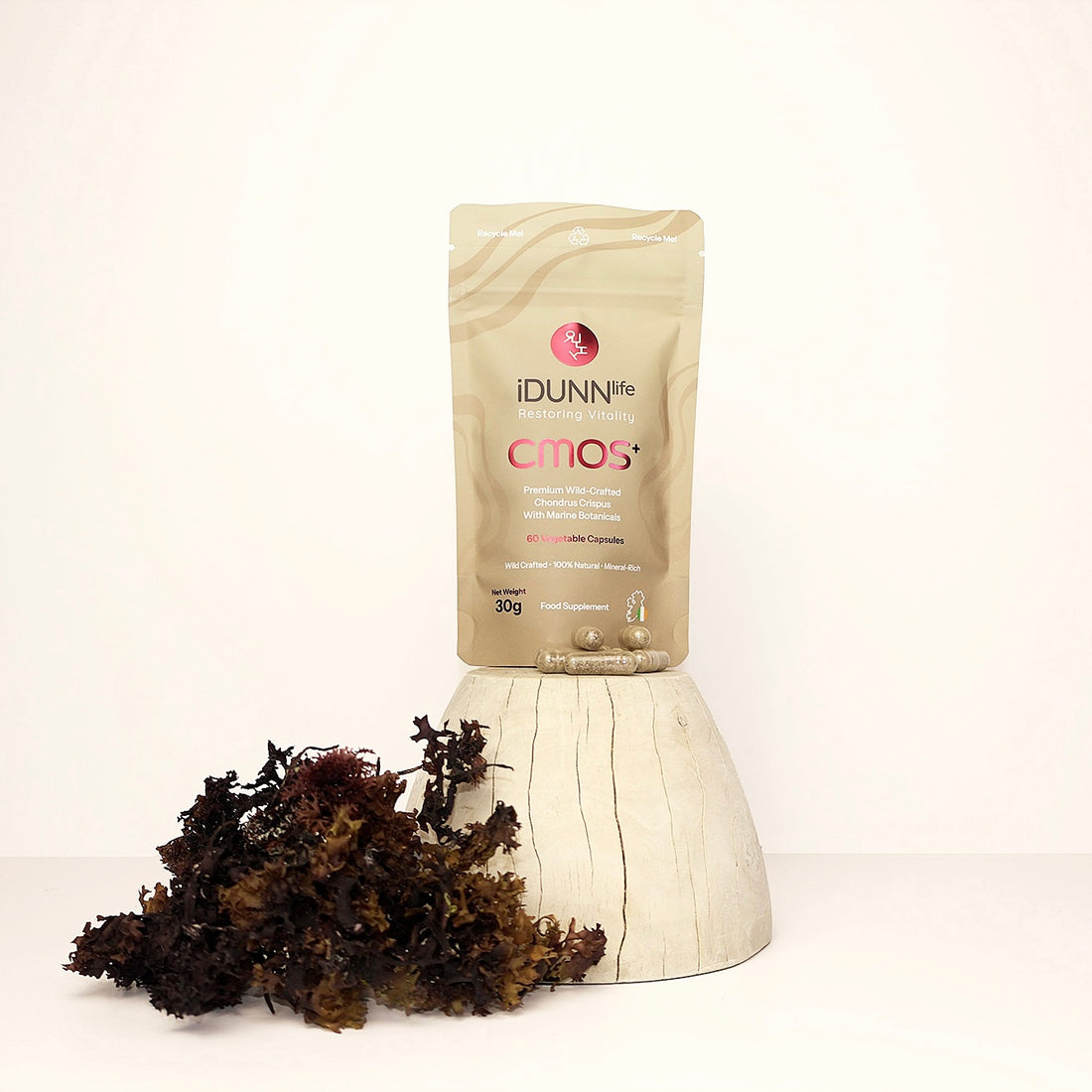
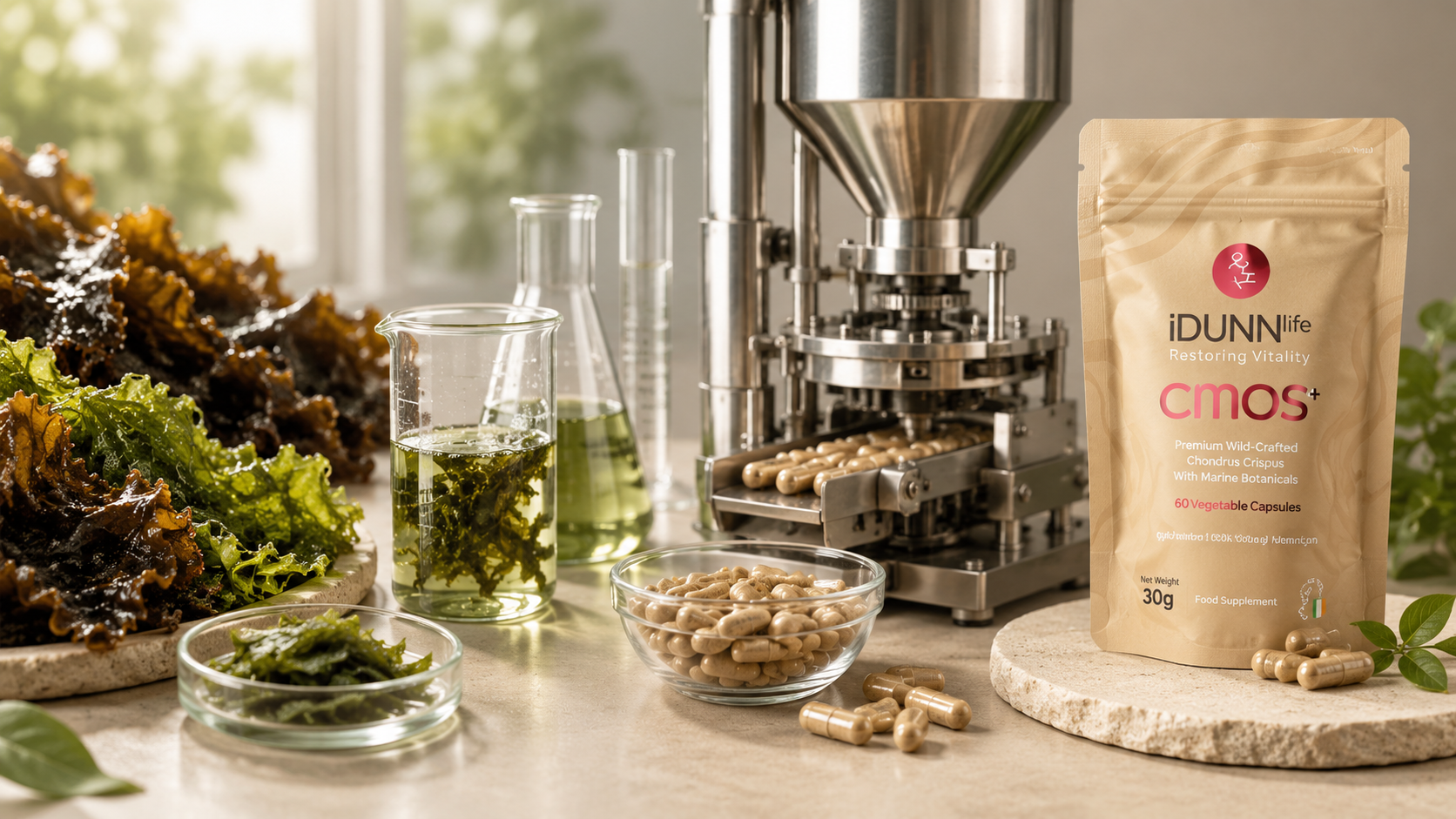
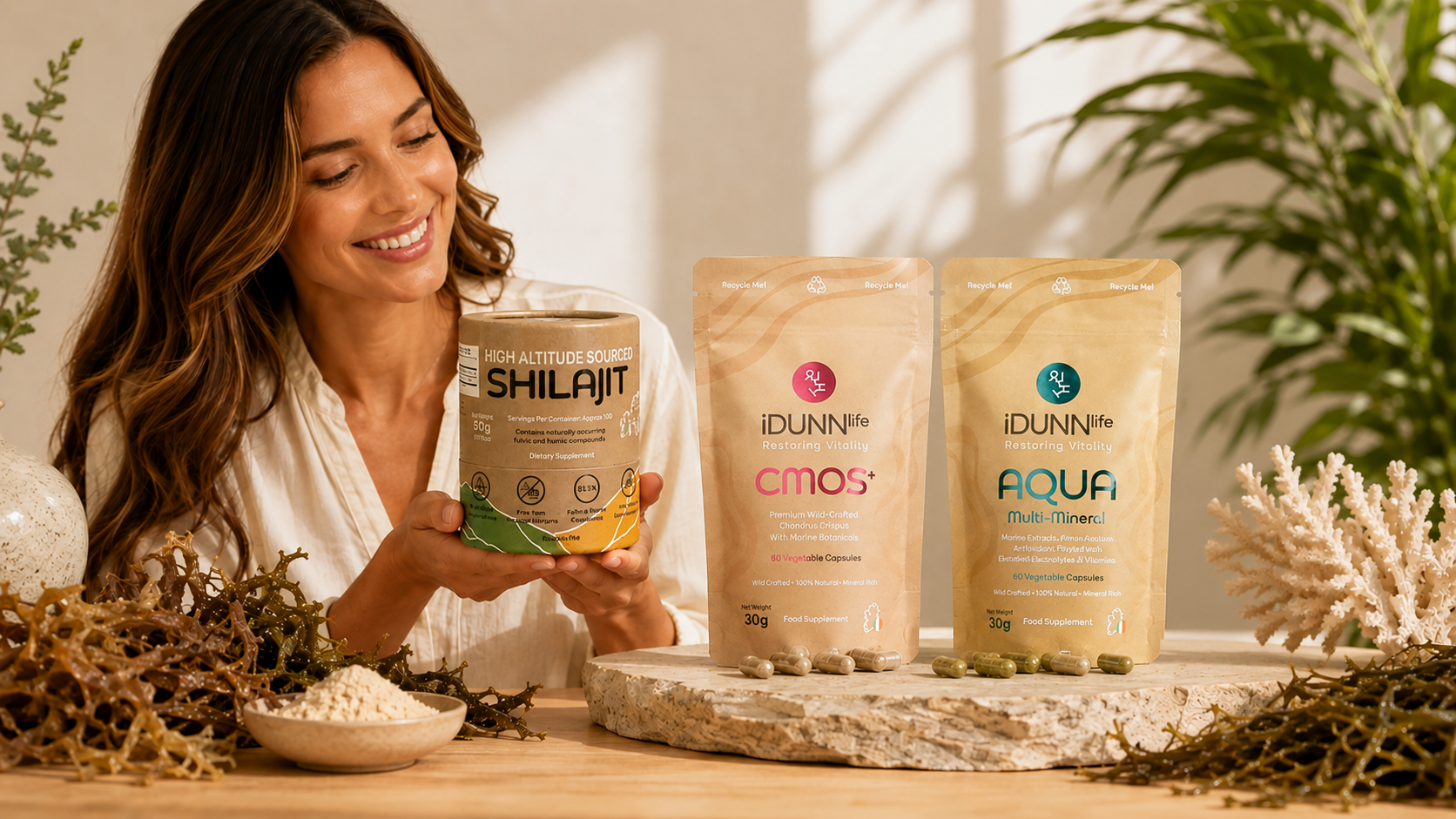
Looking for the best Sea Moss Capsules? Checkout CMOS+ Chondrus Crispus Capsules today!
The reason why sea moss and bladderwrack have a positive impact on health is their mineral composition.
Iodine: Sea moss and bladderwrack are both good sources of iodine. Iodine is a naturally occurring trace element found in varying amounts across different seaweeds. Its presence is one reason sea‑derived ingredients are widely studied within nutritional and marine science.
Iron: Sea moss has iron, a mineral that plays a key role in the function of red blood cells. Cells loaded with oxygen contribute to the health of higher organs in the body.
Magnesium: Biochemical reactions within a cell depend on it. It aids muscle function as well.
Calcium: Important for bone health and muscle function. Sea moss provides calcium in a natural form.
Zinc: A trace mineral commonly present in a wide range of foods and studied for its role in normal nutritional intake.
Potassium: Maintains fluid volume and conducts nerve impulses.
Antioxidants: Both sea moss and bladderwrack contain antioxidant compounds that protect the body from free radicals and oxidative stress. This helps maintain cellular health.
Fibre: The soluble fibre in sea moss and bladderwrack serves as prebiotic that nourishes beneficial bacteria in the gut, therefore contributing to digestive health.
Energy production depends on minerals. Magnesium helps convert food into energy at the cellular level. Iron helps deliver oxygen to tissues. Iodine supports thyroid function, which influences metabolic rate.
When these minerals are present in adequate amounts, the body runs more efficiently. This is why some people report feeling more energetic when they add seaweeds to their daily routine.
The effects are not like caffeine. They are gradual and build over time as mineral levels balance out.
The thyroid gland needs iodine to produce hormones. These hormones help regulate how the body uses energy. Without enough iodine, thyroid function can slow down.
Sea moss and bladderwrack both provide iodine. Bladderwrack, being a brown kelp, tends to have higher iodine levels than red seaweeds.
The NIH LactMed Database notes that seaweeds contain iodine and that levels can vary depending on the source. This is why choosing quality products matters.
Both seaweeds contain soluble fibre. This fibre absorbs water and forms a gel-like substance in the digestive tract. It can help with regularity.
Fiber also feeds beneficial gut bacteria. These bacteria produce compounds that support gut health.
One product description notes that sea moss supports digestive health and helps maintain a healthy gut.
The antioxidants in seaweeds help protect immune cells. Zinc, also present, is important for immune cell function.
Some sea moss bladderwrack capsules are formulated to provide immune support through their natural mineral and antioxidant content.
Bladderwrack has been studied for its effects on hormones. One small study published in BMC Complementary and Alternative Medicine looked at bladderwrack intake in pre-menopausal women.
The study involved three women with abnormal menstrual cycles. A small published case report explored dietary intake of bladderwrack in pre‑menopausal individuals and documented observational findings related to menstrual cycle timing. Due to the limited scope of the study, the authors emphasized the need for further well‑controlled research.
These findings are preliminary. More research is needed. But they also suggest that these hormone-related advantages should be explored more in depth.
Sea moss contains a range of minerals and trace elements that are widely recognized components of balanced nutrition. These nutrients are discussed in scientific literature in the context of overall dietary intake.
Some descriptions of the products even state that sea moss is a good source of ingredients that promote skin, hair, and nails that are in great shape. Zinc plays a role in skin repair, and sulphur compounds in sea moss support collagen formation.
Sea moss and bladderwrack come in different forms.
Capsules are a good choice for people with busy schedules. They provide the same nutrients without preparation time. Most products recommend one to two capsules daily with water.
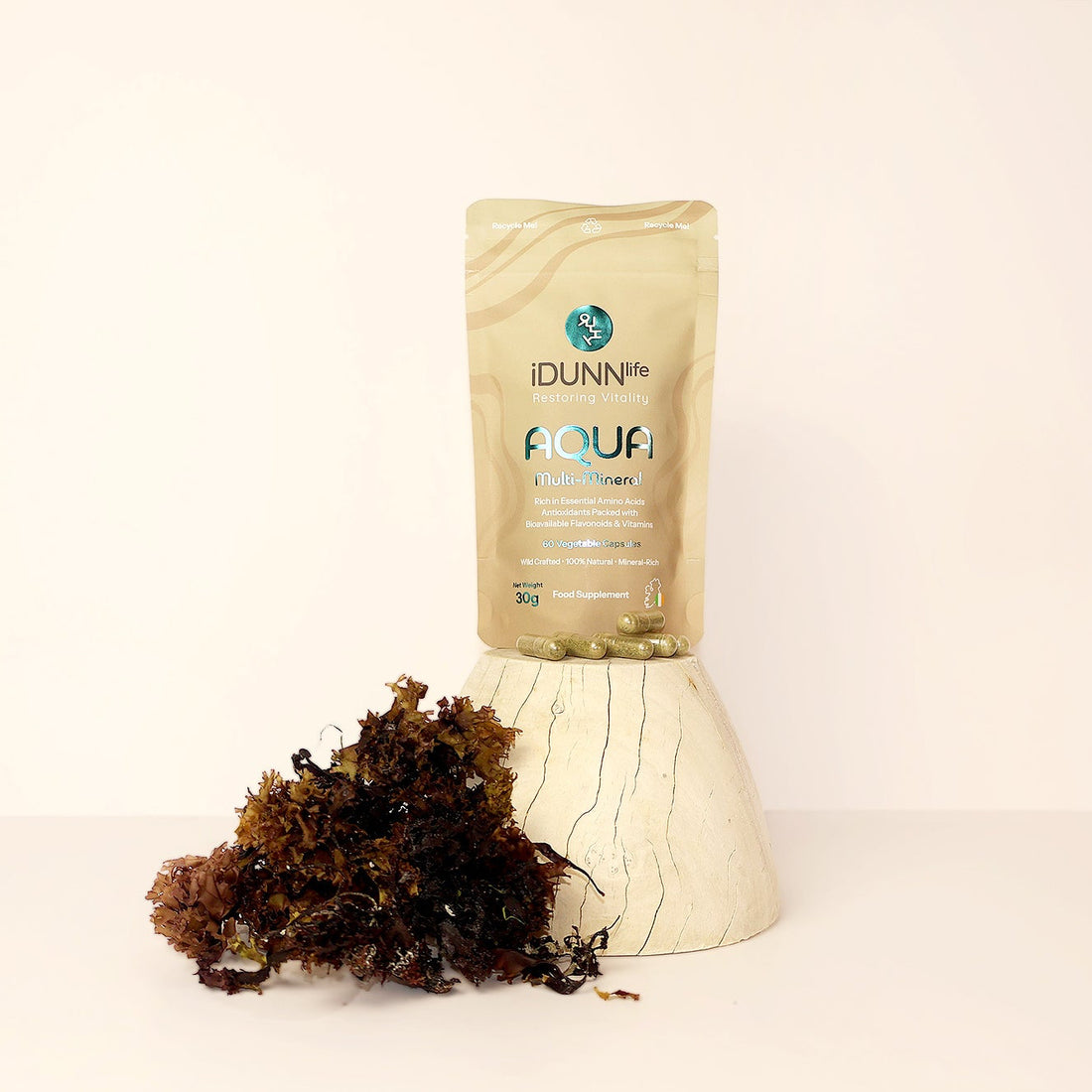
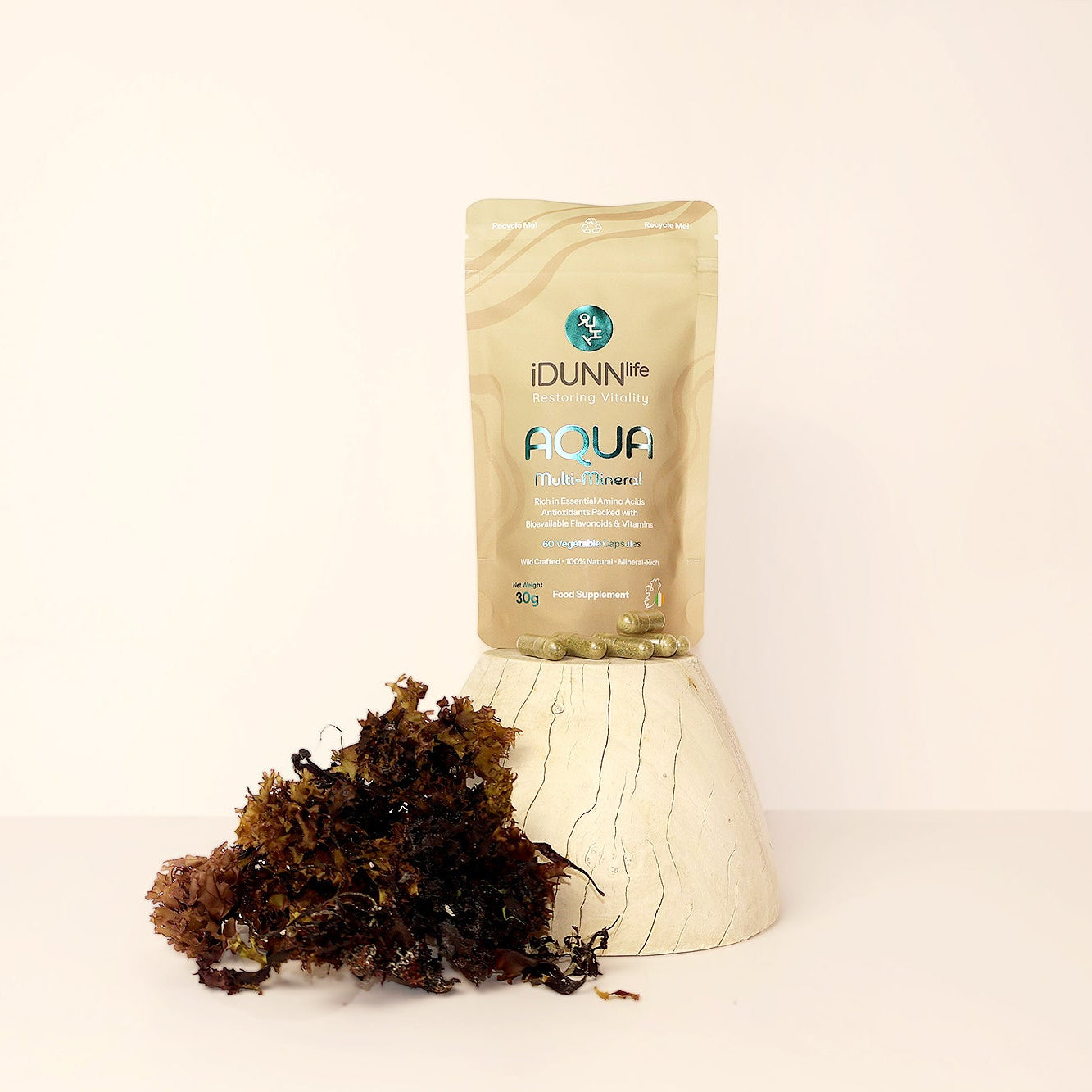
Want to get nutrition from multi minerals? Checkout Aqua Multi Mineral Supplement Capsules today!
Not all sea moss bladderwrack products are the same. Here is what you must verify.
Follow the label directions. Most sea moss bladderwrack capsules recommend one to two capsules daily with water.
Take them with food to support absorption and reduce the chance of stomach upset. Consistency matters more than timing. Daily use over weeks and months provides the best results.
Sea moss and bladderwrack are natural, but not for everyone.
Beyond sea moss and bladderwrack, other sea minerals supplements are available. Some come from red marine algae. Others from concentrated sea water.
These products are not the same as sea moss and bladderwrack. They focus on minerals rather than the whole plant compounds. But they offer another way to get trace minerals.
Reputable seaweed supplements are typically supported by third‑party laboratory testing to verify purity, mineral composition, and screening for heavy metals.
What are the main benefits of sea moss and bladderwrack?
They provide iodine for thyroid support, minerals for energy production, fibre for digestion, and antioxidants for immune health.
Can I take sea moss bladderwrack capsules every day?
Yes. Most products are designed for daily use. Follow the label directions, typically one to two capsules daily.
How long until I notice effects?
This varies by person. Some notice changes in energy or digestion within a few weeks. For others, effects build slowly over time.
Are there side effects?
Some people experience mild digestive upset when starting. Taking with food usually helps. Stick to recommended doses to avoid excessive iodine intake.
Is bladderwrack safe for everyone?
No. People with thyroid conditions, pregnant women, and those on medication should consult a healthcare provider first.
Do sea moss bladderwrack capsules contain heavy metals?
Quality products test for heavy metals. Look for brands that provide third-party testing results.