Cart
0
You may also like


You may also like


Table of Contents
You have probably seen the posts. Someone holds up a jar of sea moss gel and says it contains 92 of the 102 minerals your body needs. It sounds impressive. It also sounds a little too neat. Here is the thing. That number does not come from any real study. No lab report backs it up. It is one of those claims that got repeated so many times people started believing it. So how many minerals does sea moss have? The honest answer is not a single number. It depends.
This article explains what is really in sea moss, where those big numbers came from, and what you should expect from authentic Irish sea moss.
Let us start with the short answer. There is no fixed number. Sea moss grows in the ocean. It pulls minerals from the water around it. That water changes depending on where you are. Off the coast of Ireland, the mineral mix is different than in the Caribbean. Even two batches harvested from the same stretch of coast can vary slightly depending on the season.
What we do know is that sea moss contains a solid range of trace minerals. Things like iodine, magnesium, calcium, potassium, and zinc show up consistently. But expecting an exact count like 92 or 102 is just not realistic.
Nobody really knows who started it. But the number 92 has been floating around wellness spaces for years. Some people point to a man named Dr. Sebi. Others think it got mixed up with something else over time.
What is clear is that no scientific study has ever confirmed that sea moss contains 92 minerals. The FDA has even sent warning letters to companies making that claim because it cannot be verified. That does not mean sea moss is useless. Far from it. It just means the marketing got ahead of the facts. So if you are still wondering how many minerals does sea moss have, the honest answer is that it depends on the batch, but a solid range of trace minerals is always present.
If you are buying authentic irish sea moss, you should expect some natural variation One batch might feel a little different in your hands. Another might have a slightly different colour. That is normal. It means the seaweed was actually harvested from the ocean rather than grown in a tank.
Some people get worried when they see variation. They think something is wrong. But with whole foods, consistency batch to batch is not really a thing. What matters is that the seaweed is clean, properly dried, and comes from good water.
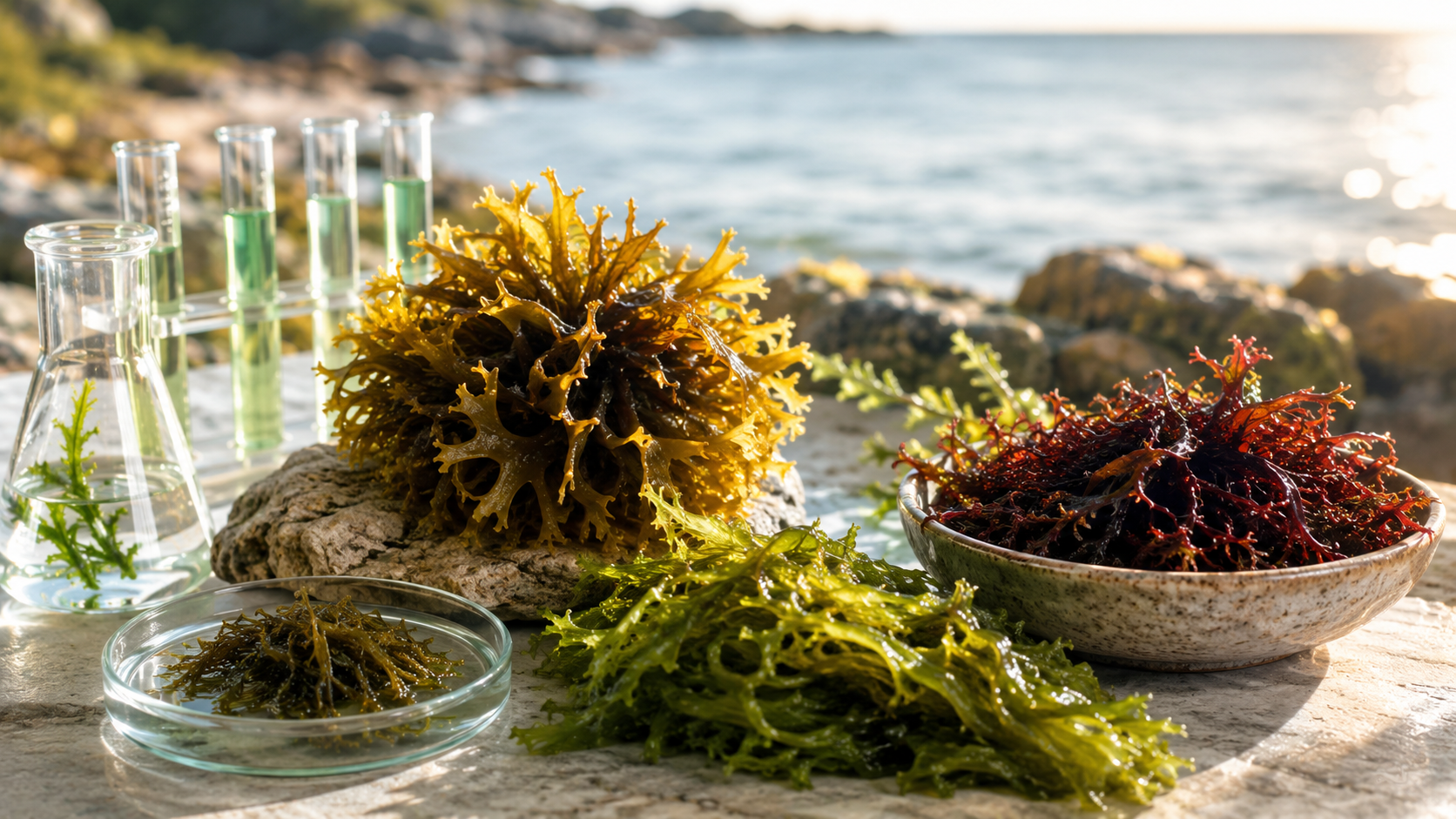
Purple irish sea moss looks nice. The deep colour stands out. But does it have more minerals than the gold kind? Probably not. The purple colour comes from natural pigments in the seaweed. Think of it like how some apples are red and some are green. The colour does not tell you much about what is inside.
Both purple and gold sea moss grow in similar waters. Both pull from the same mineral sources. Some people prefer purple for the way it looks in gel. That is fine. But do not buy it expecting a bigger mineral punch.
To understand how many minerals does sea moss have, it helps to look at the specific ones that show up again and again in lab tests.
Let us get specific. Here are the main minerals that show up in sea moss.
There are others too. Phosphorus, selenium, copper, and manganese. They show up in smaller amounts. So when someone asks how many minerals does sea moss have, a better answer is not a magic number but a list of real minerals that support the body in small but meaningful ways.
People get fixated on numbers. 92 minerals sounds better than 12. But that is not how food works. A handful of spinach has a lot of nutrients. So does a piece of salmon. Nobody asks for an exact mineral count on those. Sea moss should be seen the same way. It is a whole food. It has minerals. The exact number is not what matters.
What matters is consistency. Using sea moss regularly over time. That is what makes a difference, not chasing a specific number on a label.
Most people do not eat sea moss by itself. They add it to other foods.
Common ways include
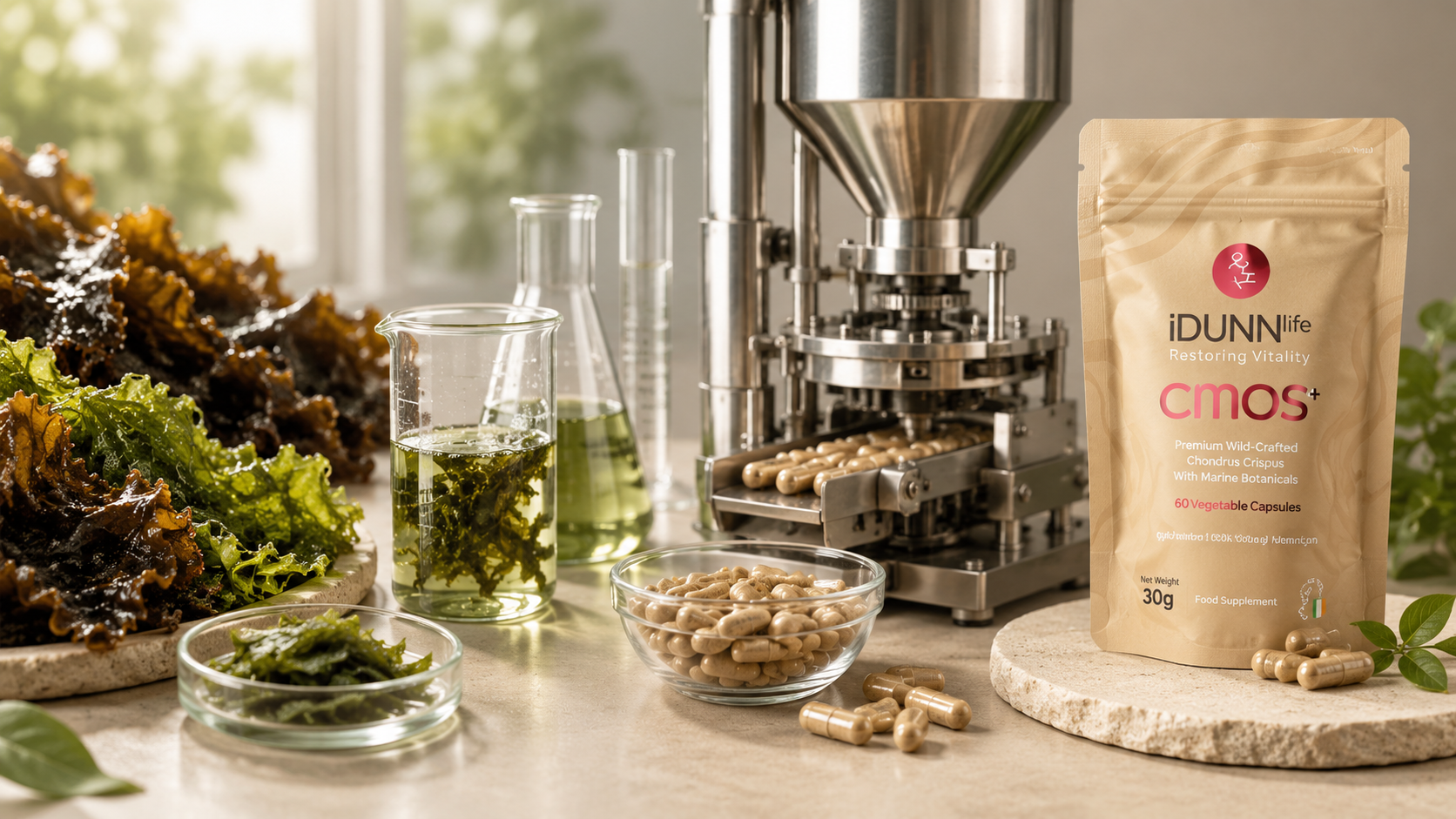
Capsules are another option if you do not want to deal with the taste or the prep work.
At iDunnLife, we do not throw around numbers we cannot back up. Sea moss is a whole food. It comes from he ocean. It contains minerals. That is what we focus on. Every batch is tested for purity by independent labs. You can see the reports yourself. No hidden ingredients. No exaggerated claims.
1. How many minerals does sea moss have exactly?
There is no exact number. It varies by batch. But sea moss contains a good range of trace minerals including iodine, magnesium, calcium, potassium, and zinc.
2. Is the 92 minerals claim true?
No. No scientific study has ever confirmed that number. It is a wellness claim that got repeated without evidence.
2. Is authentic irish sea moss different from other sea moss?
Authentic irish sea moss is Chondrus crispus. Some other products use different seaweed species. The mineral content can vary between them.
3. Does purple irish sea moss have more minerals than gold?
No. The colour comes from natural pigments, not extra minerals. Both are similar nutritionally.
3. Why does mineral content vary in sea moss?
Because it grows in the ocean. Water conditions, harvest time, and processing all affect the final mineral content. That is normal for whole foods.