Cart
0
You may also like


You may also like


Table of Contents
The global wellness industry is worth trillions, and it keeps growing. Supplements, biohacking devices, cold plunge protocols, nootropic stacks; the options are endless. Yet despite spending more on wellness than any previous generation, many people still feel tired, stressed, and stuck.
The problem is not the products. The problem is the order. Most people are trying to optimise a body that has never been given the basics. Foundational wellness habits are not the starting point people work up to; they are the entire point. Everything else is secondary.
Biohacking started with high performers looking for marginal gains on top of already healthy lifestyles. Somewhere along the way, it got marketed to everyone else; including people who are exhausted, undernourished, and chronically stressed, as a shortcut to feeling better.
A supplement is an easier sell than "go to bed earlier." A thirty-day reset sounds more exciting than "cook real food most days." The wellness industry is brilliant at packaging complexity into a product, and consumers are primed to buy solutions rather than build habits.
Modern life is genuinely demanding. When someone is already running on empty, reaching for something that promises to top them up feels rational. The problem is that most wellness products are designed to support a functioning system; not rescue a broken one.
A magnesium capsule will not undo chronic sleep debt. Collagen powder cannot compensate for a diet built on processed food. Supplements work within the context of how you live. Your body needs real inputs before anything else can work right.
Why wellness without a foundation often falls short is actually pretty simple to understand. Your body needs basic inputs like sleep, real food, water, and movement before any other interventions can be effective. Those are not optional extras that you can skip if you have the right supplement stack.
Beyond money, there is a deeper cost: eroded trust in your own body. When nothing works, people assume their biology is broken. In most cases, the biology is fine. What is missing is consistency in the fundamentals.
Sleep is the most powerful wellness tool available and it costs nothing. Seven to nine hours of quality sleep resets hormones, reduces inflammation, sharpens cognition, and supports immune function. No supplement replicates what consistent sleep does automatically.
Food provides the raw materials for every cell, hormone, and neurotransmitter in your body. A pattern of eating built around whole foods, vegetables, quality protein, and healthy fats gives your biology what it needs. Consistency matters more than perfection.
Daily movement does not mean crushing yourself at the gym for two hours every single day. It means moving your body regularly through walking, stretching, taking the stairs, or doing anything that gets you out of a chair for a while.
Chronic stress raises cortisol, disrupts sleep, impairs digestion, and suppresses immunity. Managing stress through breathwork, nature, connection, or simply protecting quiet time each day is not optional. Mental and physical health are the same system.
Supplements vs healthy lifestyle is not even a fair competition because the healthy lifestyle wins every single time. Brushing your teeth is not exciting, but it works because you do it every day. The exact same logic applies to sleep, movement, and eating real food.
Small daily actions create long term results in ways that dramatic interventions never can match. Drinking water when you wake up, taking a ten minute walk after lunch, going to bed at a reasonable hour, none of these feel like you are doing much in the moment, but they add up significantly over months and years of consistent practice.
The people who feel genuinely well later in life are rarely the ones who chased the most sophisticated strategies. They protected their sleep, moved consistently, ate well, and managed stress. A sustainable wellness routine outlasts every trend.
Wellness habits before supplements means getting your sleep, your food, and your movement sorted out first, then looking at where you might need some extra support. If you are still eating takeout every night and sleeping only five hours, a marine mineral supplement is not going to save you or make you feel better.
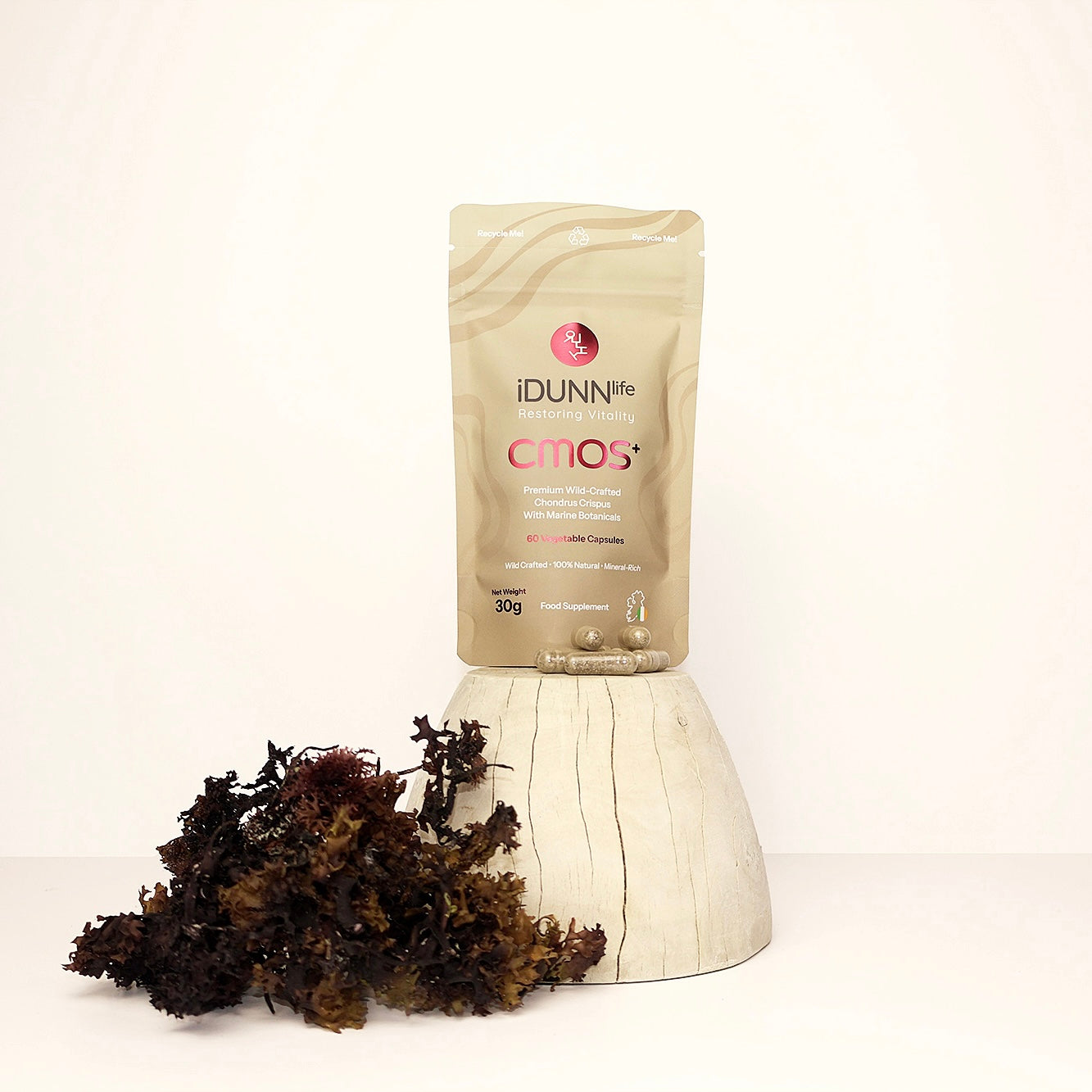
Natural mineral sources; including marine minerals and sea-derived compounds like Irish sea moss: offer a broad spectrum of trace elements that modern diets often lack. Used alongside strong foundational habits, the right products can provide genuine additional support.
After years of trend-chasing, many people are returning to a simpler question: what actually makes me feel well? The answer keeps coming back to fundamentals. The inside-out wellness approach is a response to that realisation.
Inside-out wellness starts from the inside; asking what the body needs at a foundational level before adding anything on top. It is a more patient, less transactional relationship with health. And the evidence shows it produces better outcomes than optimising on an unstable base.
Set a consistent sleep and wake time. Make your room dark and cool. Cut screens before bed. If you make one change, make it this one.
Fill most of your plate with vegetables, lean proteins, whole grains, and healthy fats. Stay hydrated. Keep it consistent rather than complicated.
Find movement you can sustain, not the most intense version. Walk daily. Add some resistance training. The goal is a habit that lasts years, not weeks.
Use supplements to complement healthy habits rather than trying to use them as a replacement for the things you do not want to do. Once your sleep, your food, and your movement are in a decent place, look at where you might have nutritional gaps.
Chasing biohacks and trendy supplements before you have the basics covered is a recipe for frustration and wasted money that leaves you feeling exactly the same as when you started. Healthy habits for long-term wellness are not flashy or exciting, but they work every single time for every single person. What should come first in wellness is always the same answer: sleep, real food, water, movement, and stress management. Get those things right first, and then see what else you might need. That is the honest truth about wellness, no matter what the influencers are trying to sell you this month.
1. What is foundational wellness?
2. Why are healthy habits really important before taking supplements?
3.What does inside-out wellness mean?
4. Do people really have to take supplements?
5. What makes wellness different from biohacking?
6. Do supplements provide all the nutrients of a healthy diet?