Cart
0
You may also like


You may also like
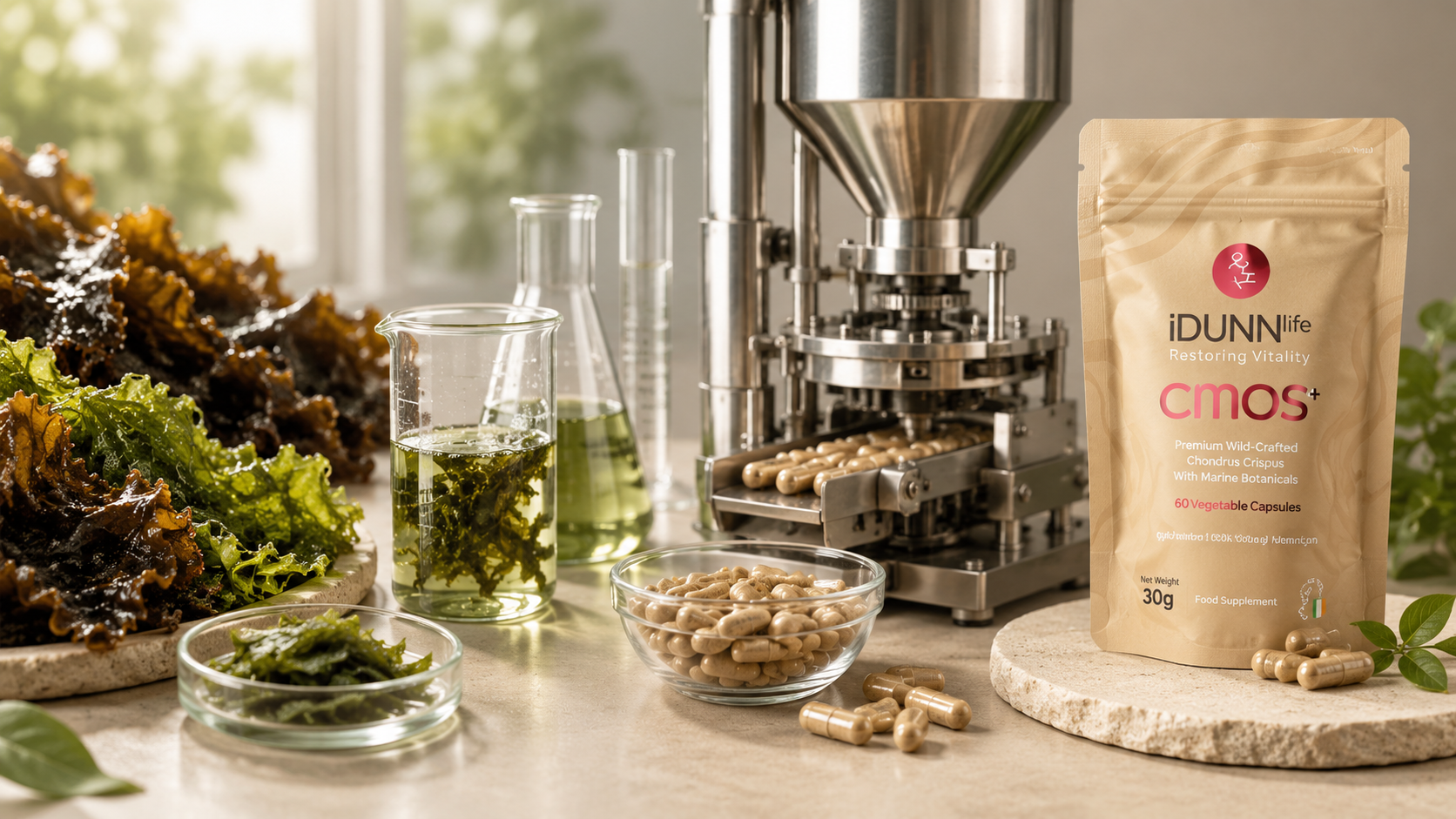

Table of Contents
For most people, a supplement's story begins and ends with the label on the bottle. But for healthcare professionals, and curious patients; the real story starts much earlier: where the raw materials came from, how they were tested, and what controls existed before a capsule reached a shelf.
Two products can list identical ingredients and still turn out very different in quality and safety. That gap almost never shows up on the label; it shows up in everything that happened before the label was printed.
The supplement manufacturing process determines more than most people realize. It's not just about mixing ingredients; it's about verifying what they actually are, controlling how they're handled, and making sure the label matches what's inside the capsule. A few things separate a well-made product from a poorly made one: ingredient quality, manufacturing controls, testing, consistency, and traceability. For practitioners, none of this is a nice-to-have, it's the difference between standing behind a product and just hoping it works.
Before manufacturing even starts, there's a sourcing and authentication stage that almost never gets talked about publicly, mostly because it doesn't show up on packaging. But it's arguably where quality is built or lost.
A few things are worth checking: ingredient identity; is it actually what it claims to be, along with botanical or species identification, which matters for plant- and marine-derived ingredients, since closely related species can differ in composition. Beyond that, source and origin, supplier documentation, and raw-material testing before anything enters production all play a role, especially with natural, variable sources like marine botanicals.
Once ingredients are sourced and authenticated, the next step is turning them into an actual formula; and this is where a product starts to reveal not just what it contains, but how clearly that's communicated.
A formula can be technically accurate on paper and still leave a lot unexplained. Real transparency usually means full ingredient disclosure, clear dosage specifications instead of vague ranges, avoiding unnecessary proprietary blends that hide individual amounts, and a clear reason for why each ingredient is there. For practitioners, this level of detail often ends up deciding whether a product gets recommended at all.
This is where the formula actually becomes a physical product; and where a lot of the quality gap between brands starts to show.
Manufacturing quality control generally comes down to a controlled manufacturing environment, batch records, production consistency, cross-contamination controls, and adherence to GMP/cGMP manufacturing standards; the frameworks that set a baseline across the industry. Facilities operating under cGMP standards are expected to document all of this, not just say it's happening.
If there's one stage that really separates a rigorously made supplement from a loosely made one, it's this.
Ingredients get tested individually before formulation even begins, to confirm identity, purity, and composition; catching problems early. Once the product is made, it gets tested again, to confirm nothing went wrong during manufacturing and that the result matches what was intended.
Third party testing supplements go through; when it's done by an independent lab rather than the manufacturer, adds a layer of accountability self-testing can't match. It typically looks at identity, purity, potency and composition, heavy metals, microbiological safety, and batch consistency over time. A company that can hand over lab reports covering all of this is offering something genuinely different from one that just says "trust us."
Quality doesn't stop once manufacturing is done. What happens next; packaging, labeling, record-keeping; determines whether that quality actually holds up once the product leaves the facility: accurate ingredient labels, batch or lot identification, realistic expiry information, product traceability, and packaging integrity.
Practitioners are in a good position to ask sharper questions than most consumers think to ask:
Where are the ingredients actually sourced from?
Are they clearly identified, down to species or origin?
Are raw materials tested before manufacturing begins?
Is the finished product tested again after production?
Is that testing done independently, or only in-house?
Can the company provide certificates of analysis (COAs) on request?
Are manufacturing standards actually documented somewhere?
Can batch information be verified if needed?
If a company is confident in its supplement quality for healthcare professionals, it should be able to answer all of these directly; not redirect to marketing language.
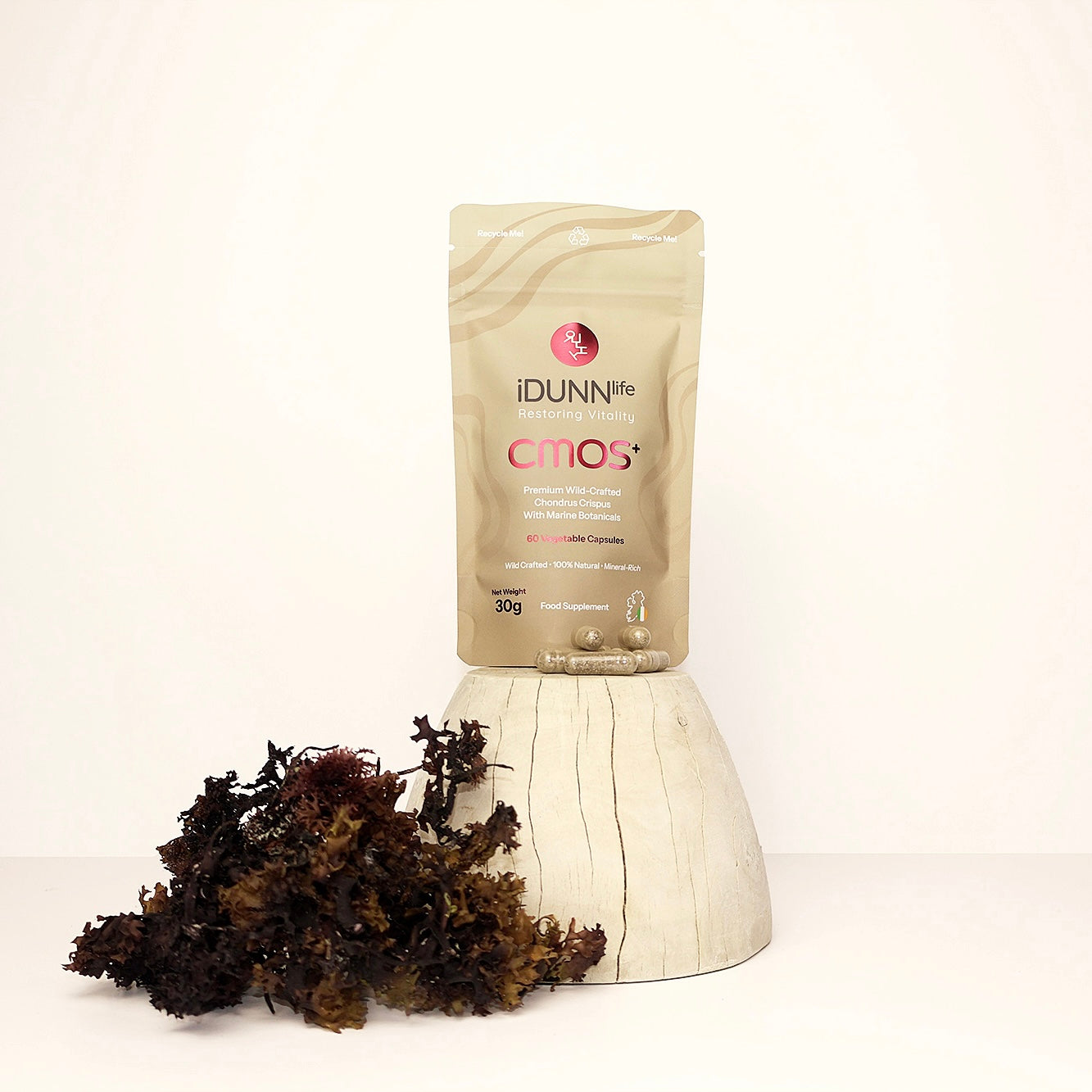
iDUNNlife builds several of these practices directly into its process. Ingredient sourcing is documented with a clear focus on transparency, particularly for marine-derived ingredients, where identification and origin aren't treated as an afterthought. Products are manufactured to cGMP standards, with batch-level quality controls built into production, and testing happens at both the raw-material and finished-product stages using independent laboratory verification. Lab reports for products like AQUA, CMOS, and CMOS+ are publicly available; the level of detail practitioners need to evaluate a product properly instead of taking it on faith.
Quality in a supplement isn't something added at the last step of production. It's built along the way; starting with how a raw ingredient is sourced, carried through formulation and manufacturing controls, confirmed through independent testing, and preserved through accurate labeling and traceability. For healthcare professionals, that changes the question worth asking. It's no longer just "what's in this product," but "how do we know that's true, and can it be verified." That shift; from taking a label at face value to expecting documented proof, is what separates a well-made supplement from one that just looks the part.
Q1. What does "how supplements are made" actually involve?
Q.2 Why does third-party testing matter more than in-house testing?
Q.3 What is a COA, and why should I ask for one?
Q.4 Does cGMP certification guarantee a supplement is high quality?