Cart
0
You may also like


You may also like
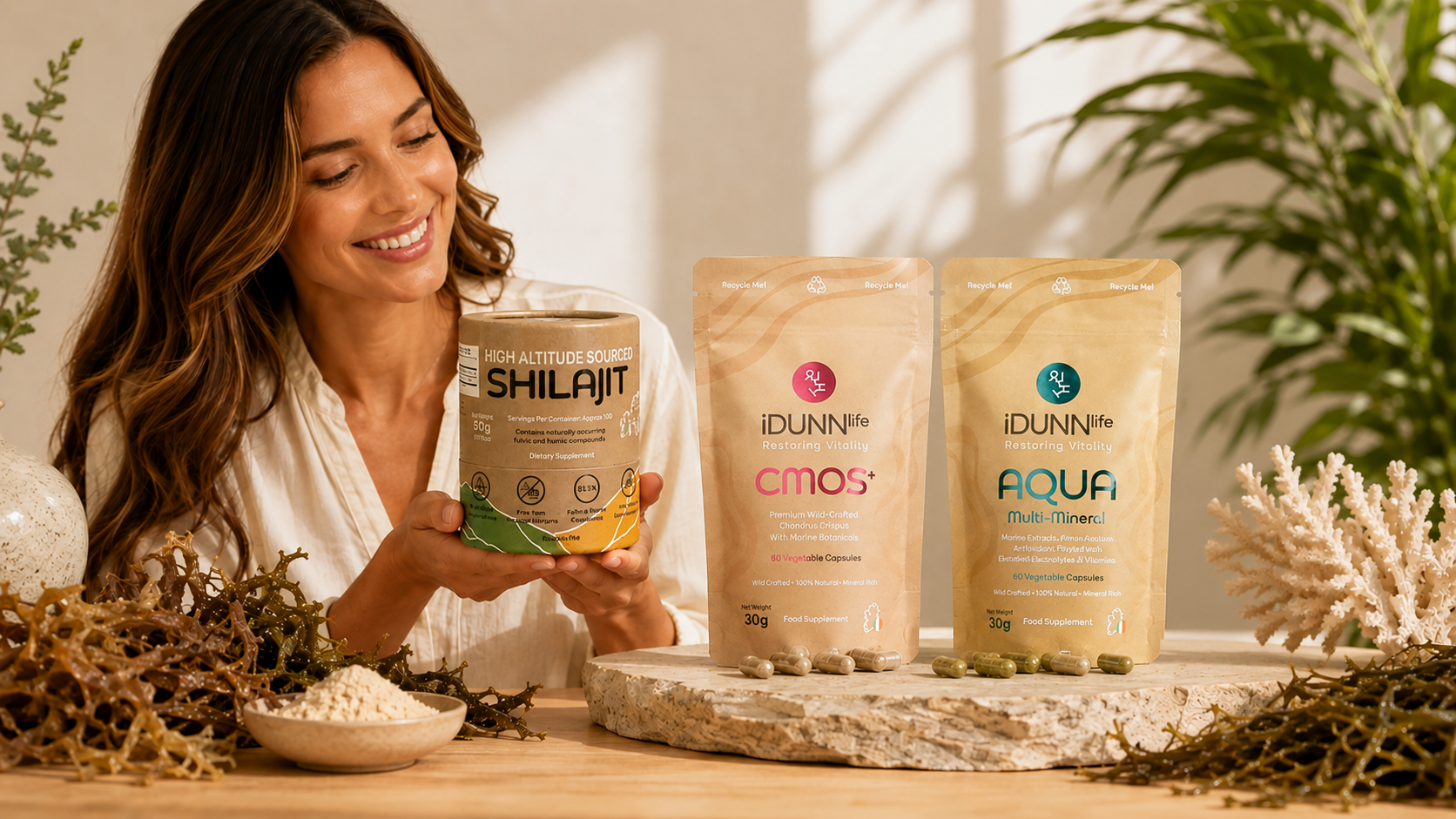

Table of Contents
Healthcare professionals are often the ones patients turn to when deciding between supplement options, and with so many products on the market, quality ends up mattering just as much as the ingredient list itself. This guide walks through how evidence-informed choices, transparent sourcing, laboratory verification, and responsible manufacturing come together to support more confident conversations about premium wellness supplements.
Evidence-informed wellness pulls from a few different places at once: available scientific literature, documented quality standards, traditional knowledge, and a practitioner's own professional judgement. It's a balanced way of looking at a product rather than relying on any single source of information.
Before discussing a supplement with a patient, most practitioners find themselves weighing:
Ingredient sourcing
Product composition
Laboratory verification
Manufacturing standards
Product traceability
Sustainability practices
Quality documentation
None of these factors carries the full picture on its own, but together they support conversations grounded in transparency rather than promotional claims.
Every quality supplement starts with a clear ingredient list. A label should identify each ingredient accurately and explain where the raw material actually came from, not just what it's called.
For marine-derived products, that usually means specific botanical names rather than a generic "seaweed" descriptor: Chondrus crispus, Red Algae, Brown Algae, or Gold Algae. Traditional Himalayan formulations should be equally specific, describing both the mineral source and the purification method used to preserve naturally occurring compounds.
A complete ingredient list, not a partial one
Botanical or mineral names, not vague blend descriptions
Country or region of origin
Naturally occurring compounds, clearly named
Trace mineral content
A formulation simple enough to actually evaluate
Transparent disclosure like this isn't a courtesy. It's what allows a practitioner to review a formulation properly before recommending it to anyone.
Responsible supplement selection starts with documented quality, not broad wellness language on the front of the package. A few specific indicators are worth understanding on their own.
Independent lab testing confirms a product's identity, purity, and manufacturing consistency. Because this documentation comes from outside the manufacturing facility, it carries more weight than anything the manufacturer says about itself.
Natural ingredients shift between harvests, so batch testing evaluates each production lot on its own rather than assuming one run matches the next.
Marine botanicals naturally contain iodine, and levels vary by harvest. Responsible manufacturers measure it batch by batch through documented lab analysis instead of estimating.
Together, these three checks give a practitioner something concrete to evaluate, rather than a claim to take at face value.
Marine Botanical Science looks at the naturally occurring compounds found in marine plants harvested from carefully managed coastal environments. Responsible sourcing preserves ingredient quality while respecting the ecosystems those ingredients come from, and healthcare professionals tend to notice when a manufacturer is willing to explain both sides of that process.
Marine botanicals naturally contain:
Marine polysaccharides
Fucoidan
Alginates
Polyphenols
Trace minerals
These compounds form the basis of well-developed Marine Mineral Formulations, and clear botanical identification is what makes it possible for a practitioner to actually recognize what's in front of them rather than guess.
Responsible manufacturers are generally willing to explain how a product is prepared, tested, and packaged, without being pressed for it. A few questions tend to separate transparent brands from the rest:
Does the company explain its sourcing practices?
Is every production batch actually lab tested, or just occasional samples?
Are manufacturing standards documented somewhere reviewable?
Is sustainability a real part of sourcing, or just a claim?
Are ingredient specifications available on request?
Clear, specific answers to these questions build the kind of trust that promotional language alone can't.
iDUNNlife's whole product range comes back to the same idea: pick ingredients carefully, then be willing to prove it rather than just say it. That shows up across its marine formulations and its Himalayan shilajit alike, built around the principles of Marine Botanical Science and Marine Mineral Formulations, with marine polysaccharides, fucoidan, alginates, and trace minerals showing up exactly as they occur in nature, not added back in afterward.
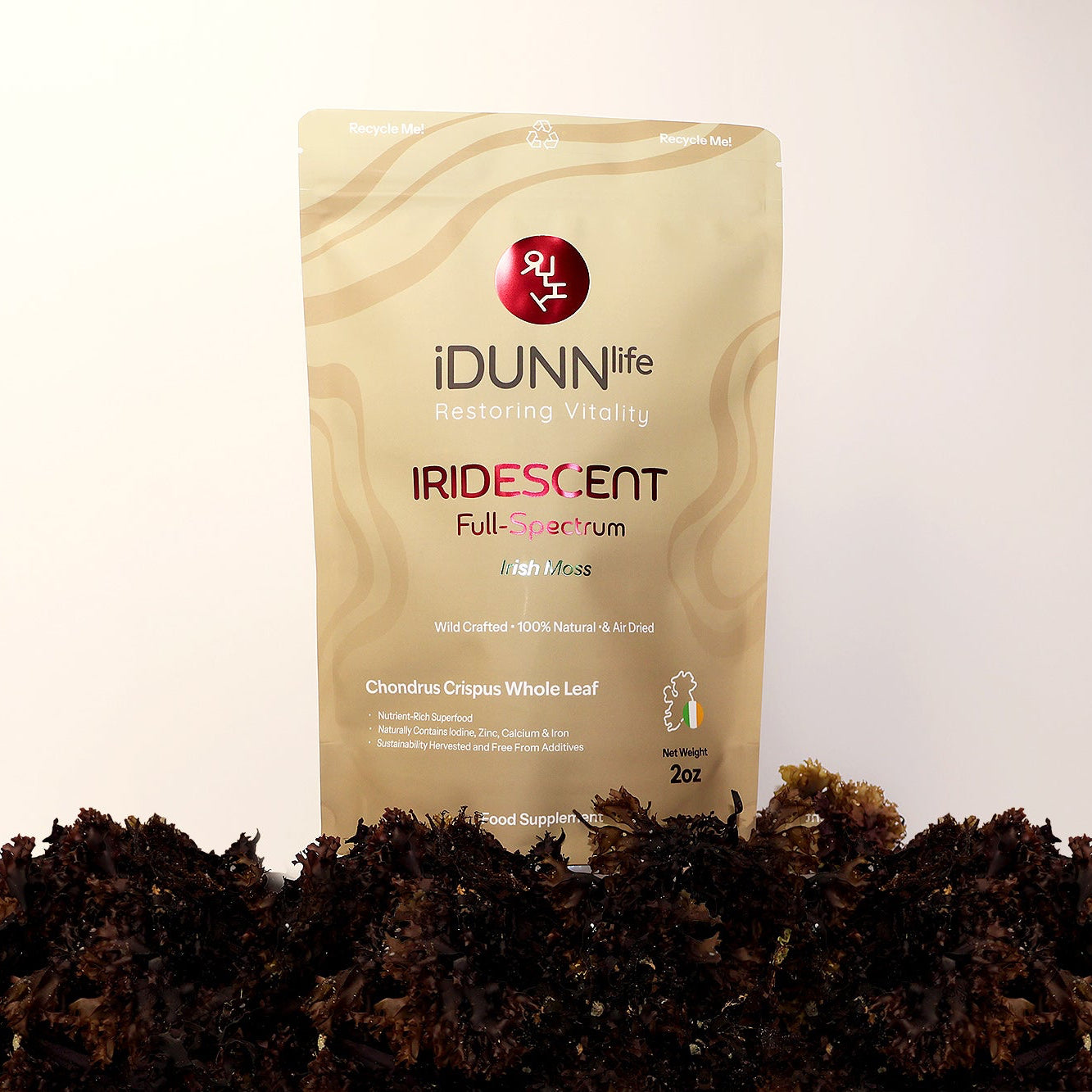
This one starts simple: Wild Atlantic Red Algae Marine Mineral Capsules made with Chondrus crispus, pulled from the Atlantic coast through harvesting that doesn't strip the ecosystem to get there.
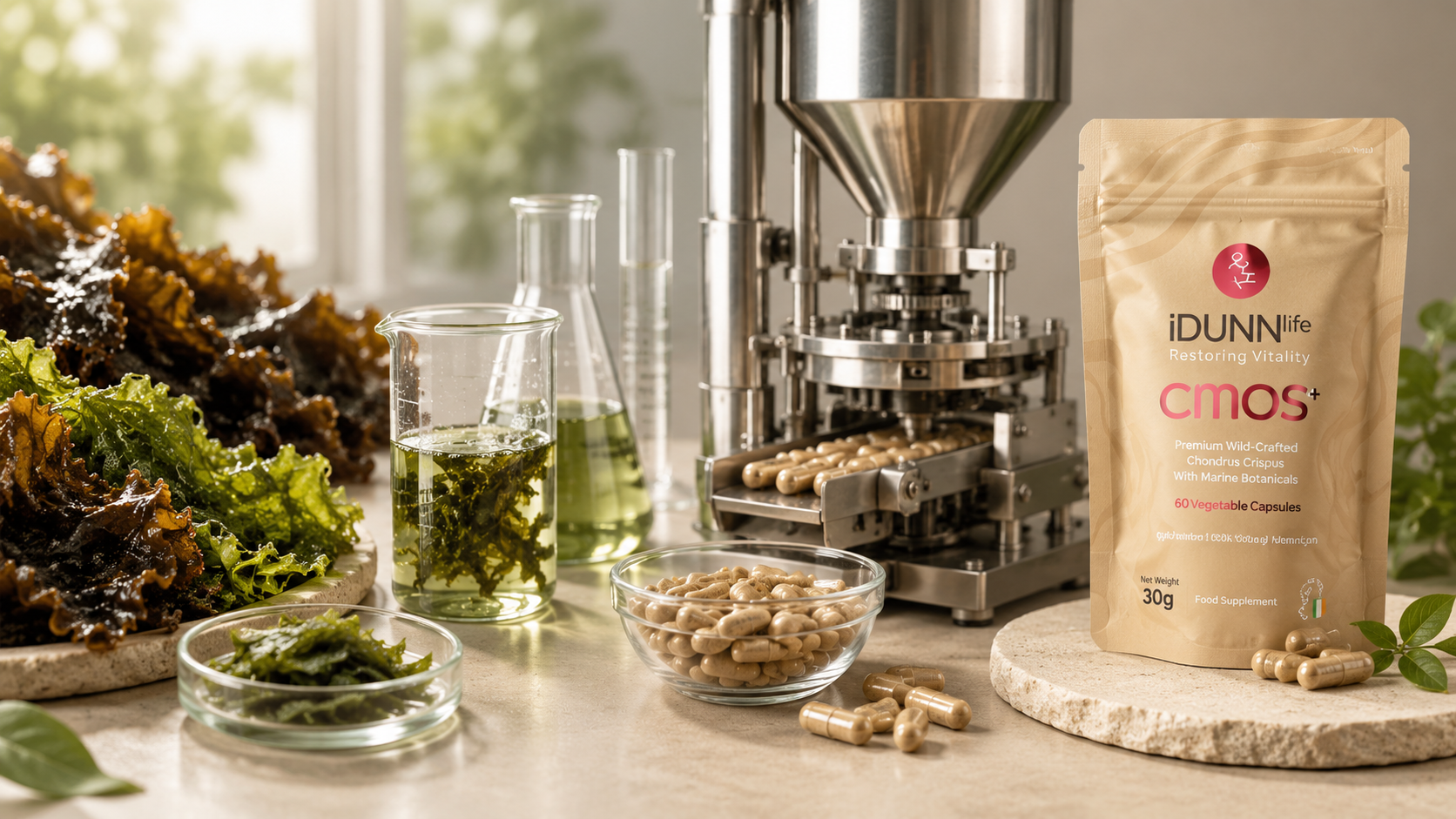
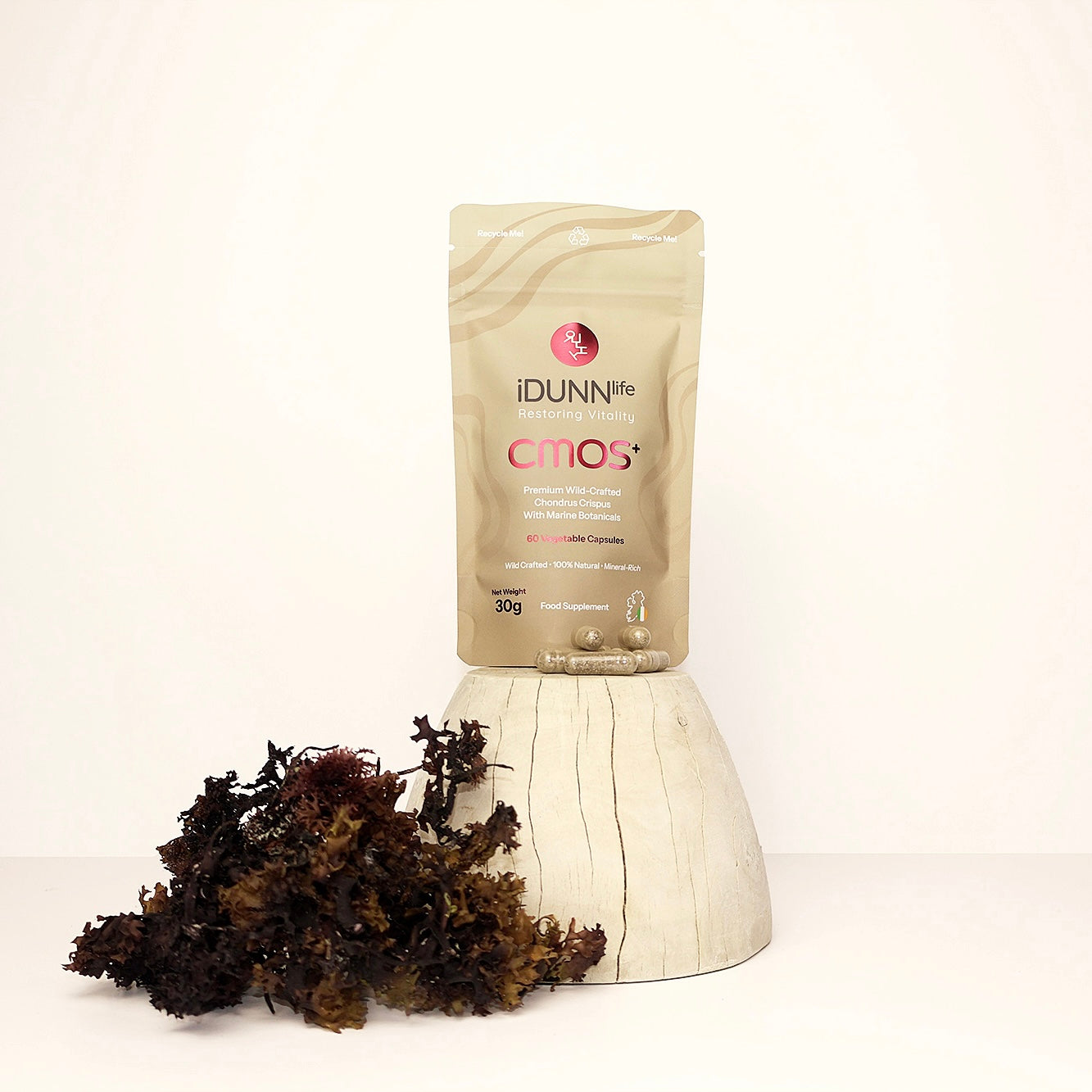
CMOS+ takes that same red algae base and builds on it, combining Chondrus crispus with Bladderwrack and Burdock Root into a Red and Brown Marine Algae Complex. The result naturally carries fucoidan, alginates, and trace minerals, all part of the plant rather than added to it.
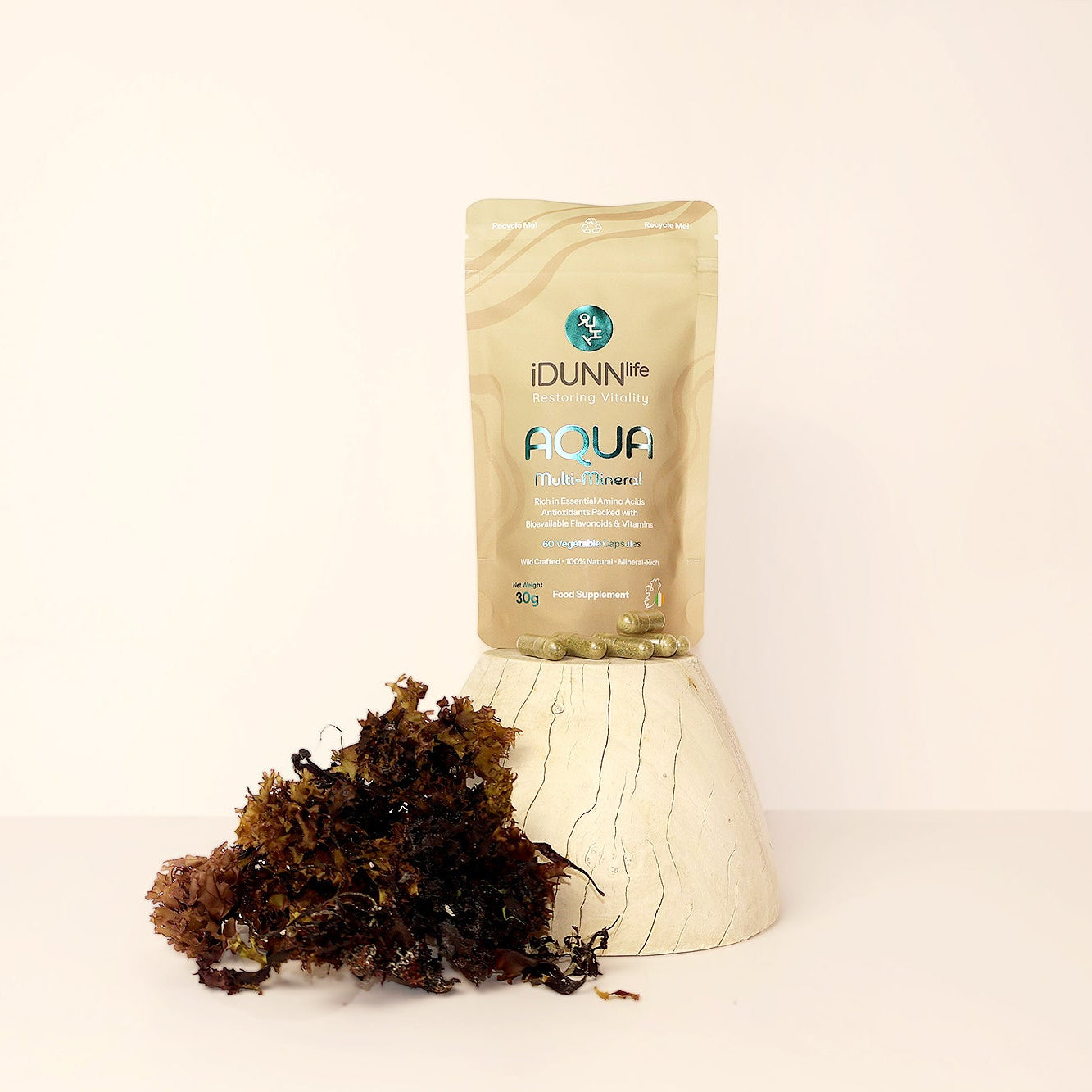
AQUA works differently again, drawing from brown algae, gold algae, and blue-green algae in one Multi-Algae Marine Mineral Formula. Its iodine content isn't estimated; it's confirmed batch by batch through Batch-Specific Iodine Verification.
Outside the marine lineup, there's also Pure Himalayan Shilajit Resin, ethically sourced from the Himalayas and purified through reverse osmosis, a process chosen specifically because it protects the resin's naturally occurring trace minerals, fulvic acid, and humic acid instead of stripping them out along with everything else.
Across the full product range, the brand emphasizes Third-Party Laboratory Verification, Batch-Tested Marine Nutrition, sustainably sourced ingredients, and small-batch production that stays vegan-friendly, gluten-free, and non-GMO.
Choosing a wellness supplement worth recommending isn't about finding the most confident marketing claim. It's about finding the brand willing to document its sourcing, share its lab results, and explain its manufacturing process without being asked twice. That's what evidence-informed selection actually looks like in practice.
1. What are evidence-informed wellness supplements?
2. Why is Third-Party Laboratory Verification important?
3. What should practitioners review before recommending a wellness supplement?
4. How does iDUNNlife support evidence-informed supplement selection?