Cart
0
You may also like


You may also like
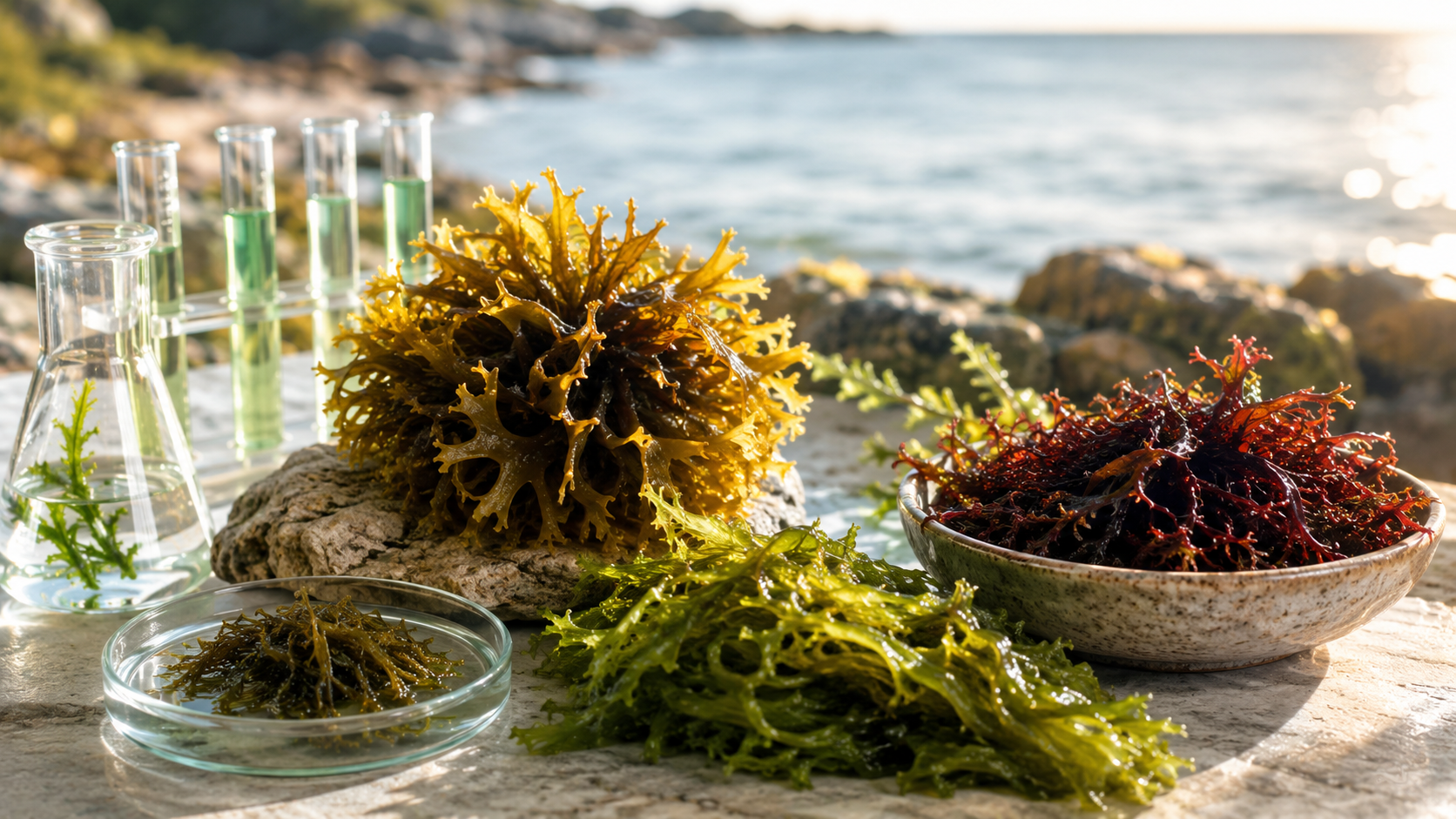

Table of Contents
Marine nutrition has moved further into mainstream conversation, and healthcare professionals are increasingly the ones fielding questions about it from patients. Wellness enthusiasts, parents, and adults drawn to naturally sourced nutrition are exploring marine wellness products because of how they're sourced and manufactured, not just what's printed on the front of the bottle. Practitioners, in turn, need something more reliable than marketing copy to work from when these conversations come up.
That's where Marine Botanical Science is useful. It looks at naturally occurring marine compounds, ingredient traceability, and quality assurance from an evidence-informed angle rather than a promotional one, which is exactly the kind of information clinical practice actually needs.
Marine nutrition covers nutritional products built from marine-derived ingredients, ocean plants and algae that naturally contain minerals and other compounds, harvested through methods meant to respect the ecosystems they come from. Marine Botanical Science is the study behind those ingredients, many of which have shown up in traditional coastal diets for generations.
Premium wellness supplements built on marine ingredients typically contain trace minerals, marine polysaccharides, fucoidan, alginates, polyphenols, and naturally occurring amino acids. Before recommending anything built around these compounds, most practitioners want to see ingredient transparency and laboratory documentation first.
A quality marine formulation starts with how the raw material was harvested. Sourcing practices that respect ocean cycles help preserve the natural characteristics of each ingredient, which matters because different marine botanicals bring genuinely different nutritional profiles to a formulation.
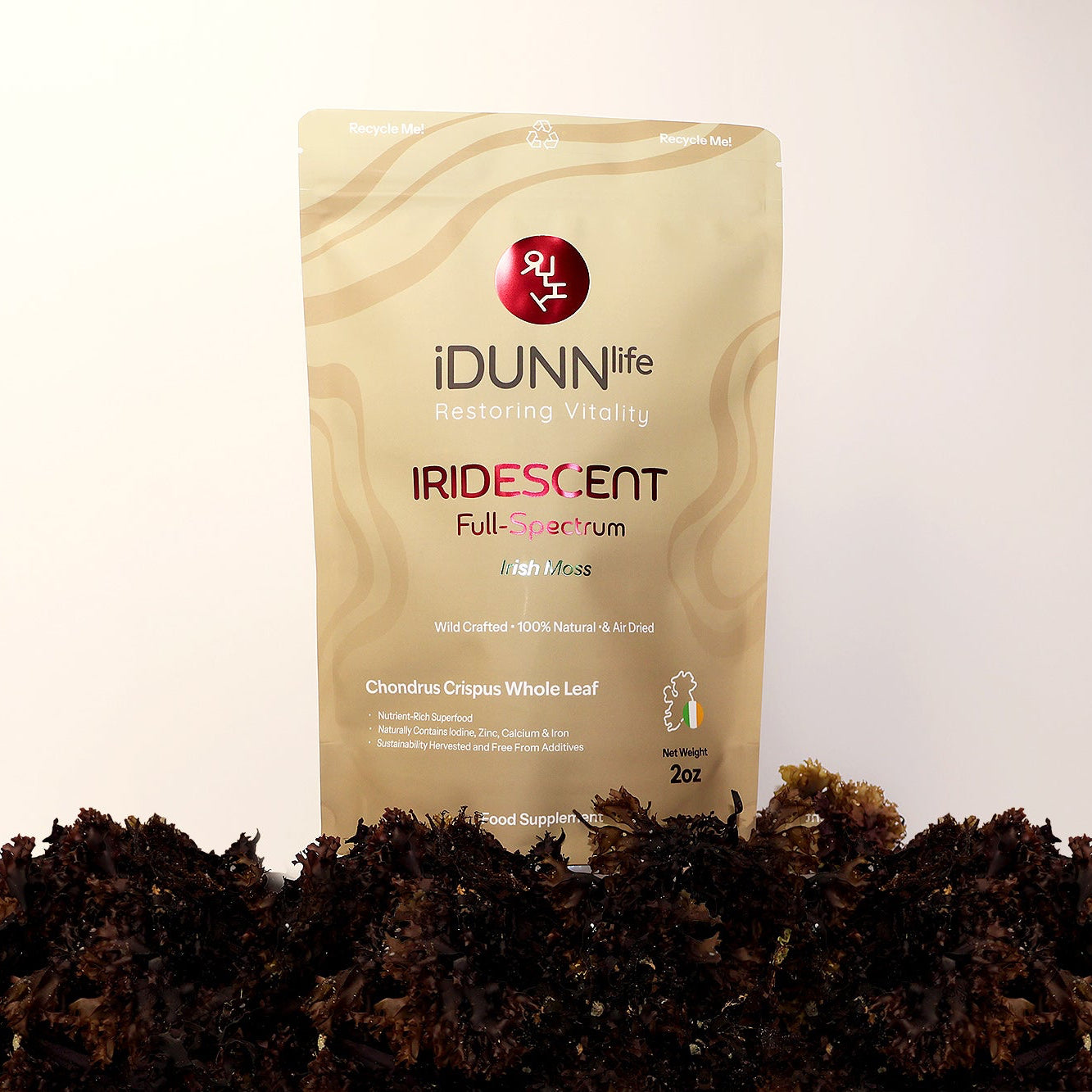
Red Algae, including Chondrus crispus, has been part of coastal nutrition for centuries. It naturally contains marine polysaccharides alongside trace minerals, and it's usually the botanical practitioners recognize first when reviewing a marine formulation.
Brown Algae contributes fucoidan and alginates along with its own mineral content. These compounds are specific enough to brown algae that their presence on a label is a reasonable signal of how carefully a formulation was put together.
Gold Algae shows up in select Marine Mineral Formulations as another naturally occurring botanical. It's less commonly discussed than red or brown algae, which is exactly why clear labeling matters here.
In each case, identification on product documentation is what lets a practitioner actually evaluate a formulation, rather than taking it on faith.
A few marine compounds come up often enough in product evaluation that they're worth understanding individually:
Marine polysaccharides occur naturally across various marine plants and remain an active area of research within Marine Botanical Science
Fucoidan is found specifically in certain brown algae species
Alginates are another brown algae compound that transparent manufacturers tend to disclose rather than fold into a vague ingredient description
Trace minerals, including iodine, magnesium, calcium, potassium, iron, and zinc, occur naturally in marine ingredients, though exact amounts shift depending on harvest conditions and botanical source
That last point is why quality-focused manufacturers verify mineral content through lab analysis rather than assuming consistency from one batch to the next.
Product labels are useful, but they're written by the company selling the product. Independent laboratory documentation offers something labels can't: objective confirmation. Third-Party Laboratory Verification typically covers:
Ingredient identity
Purity and heavy metal screening
Microbiological evaluation
Batch consistency
Specification verification
That gives practitioners something documented to point to instead of relying on promotional language when discussing a product with a patient.
Ocean conditions, seasonal timing, and geography all influence how a marine ingredient turns out, which means one production run isn't automatically identical to the next. Batch-Tested Marine Nutrition treats each batch as its own thing to verify, covering ingredient checks, documentation, and traceability before release. It's a more demanding process than testing a single sample early on, but it's the difference between assuming consistency and actually confirming it.
Because marine botanicals naturally contain iodine, and iodine levels vary between harvests, responsible manufacturers measure it batch by batch instead of relying on an estimated figure. Batch-Specific Iodine Verification documents actual iodine levels through lab analysis, giving practitioners real numbers rather than assumptions, and reflects a broader commitment to transparent, unexaggerated formulation practices.
When reviewing a marine wellness product, three things tend to matter most: clear identification of which botanicals are actually used (Chondrus crispus, brown algae, gold algae, red algae, named specifically rather than bundled into a blend), documented sourcing that explains where those ingredients came from, and manufacturing standards that are written down somewhere a practitioner can actually check, not just implied.
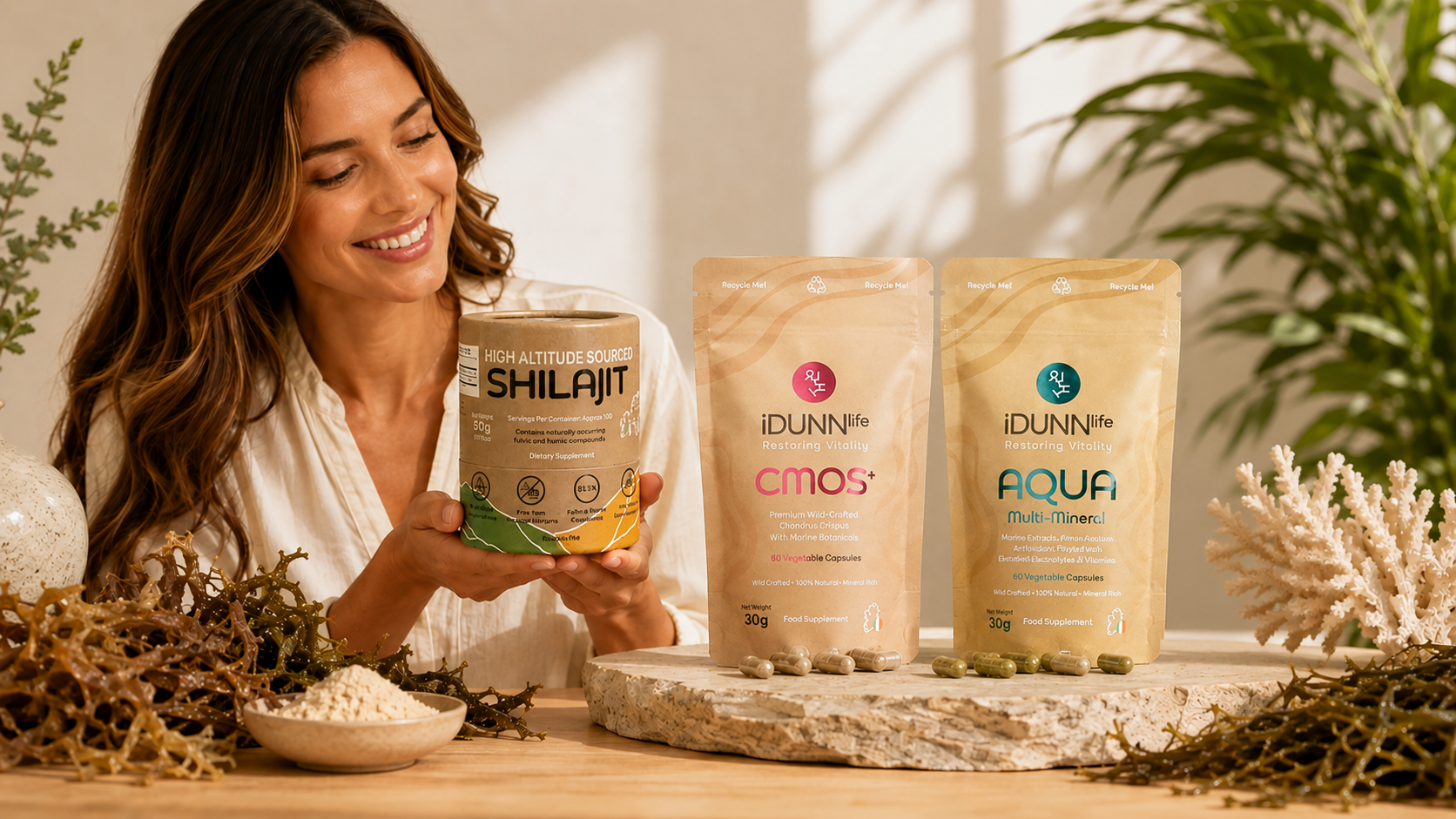
iDUNNlife builds its formulations around sustainably sourced Atlantic marine botanicals, developed under the principles of Marine Botanical Science and Marine Mineral Formulations, with fucoidan, alginates, marine polysaccharides, polyphenols, and trace minerals present as they naturally occur.
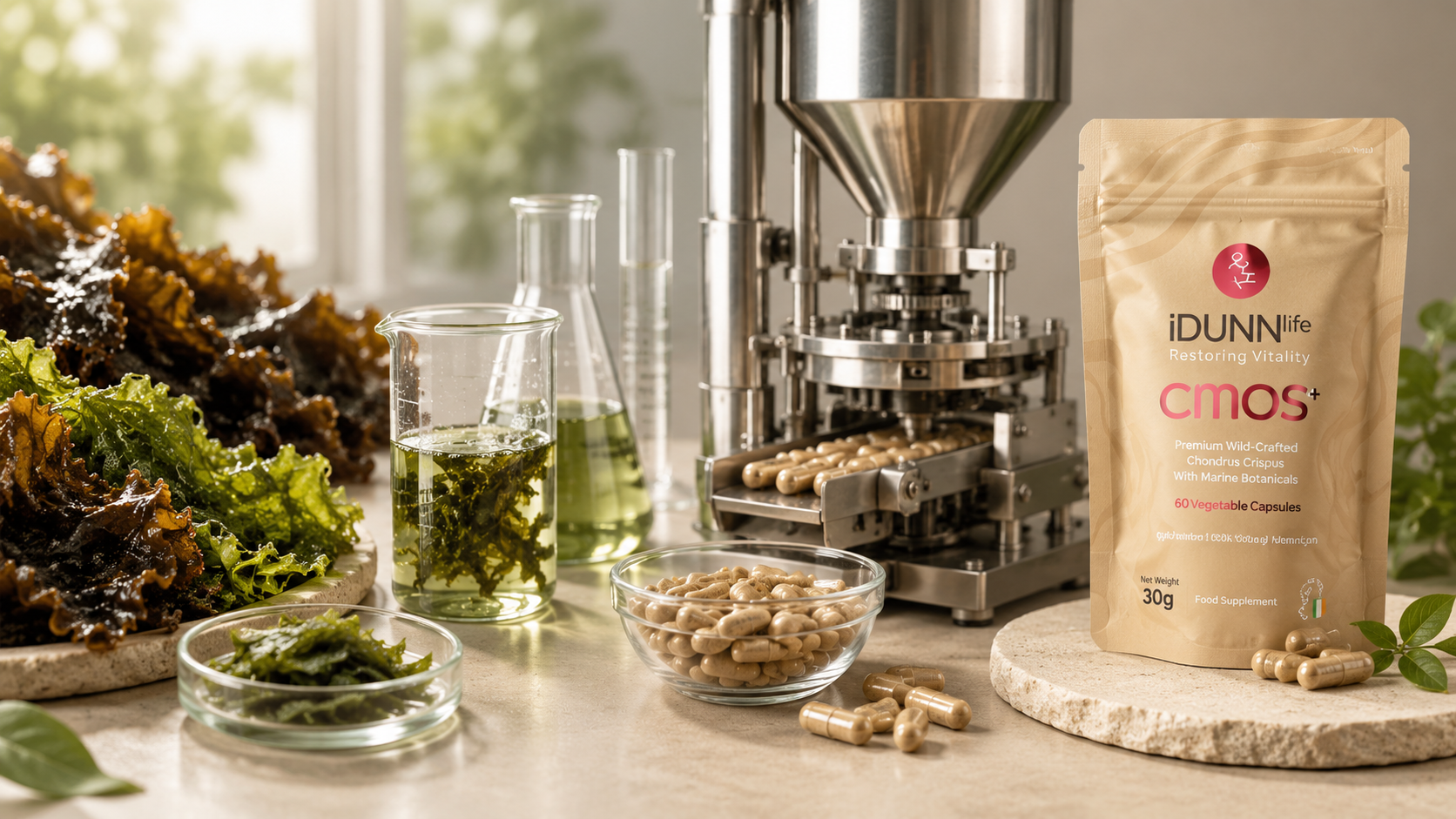
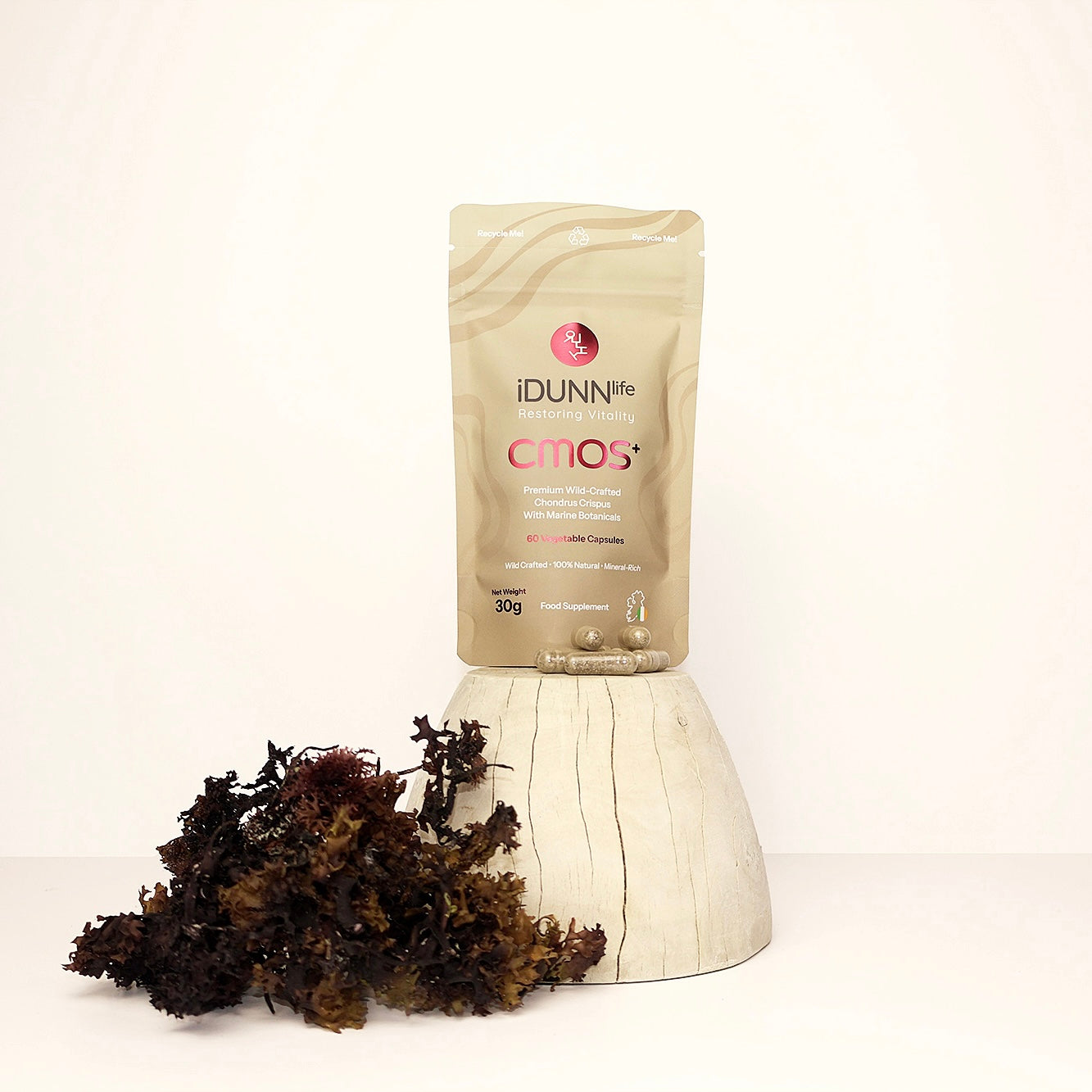
Built on Wild Atlantic Red Algae Marine Mineral Capsules made with Chondrus crispus, produced in small artisan batches from sustainably harvested, plant-based ingredients.
A Red and Brown Marine Algae Complex combining Chondrus crispus, Bladderwrack, and Burdock Root for a broader profile of fucoidan, alginates, and trace minerals.
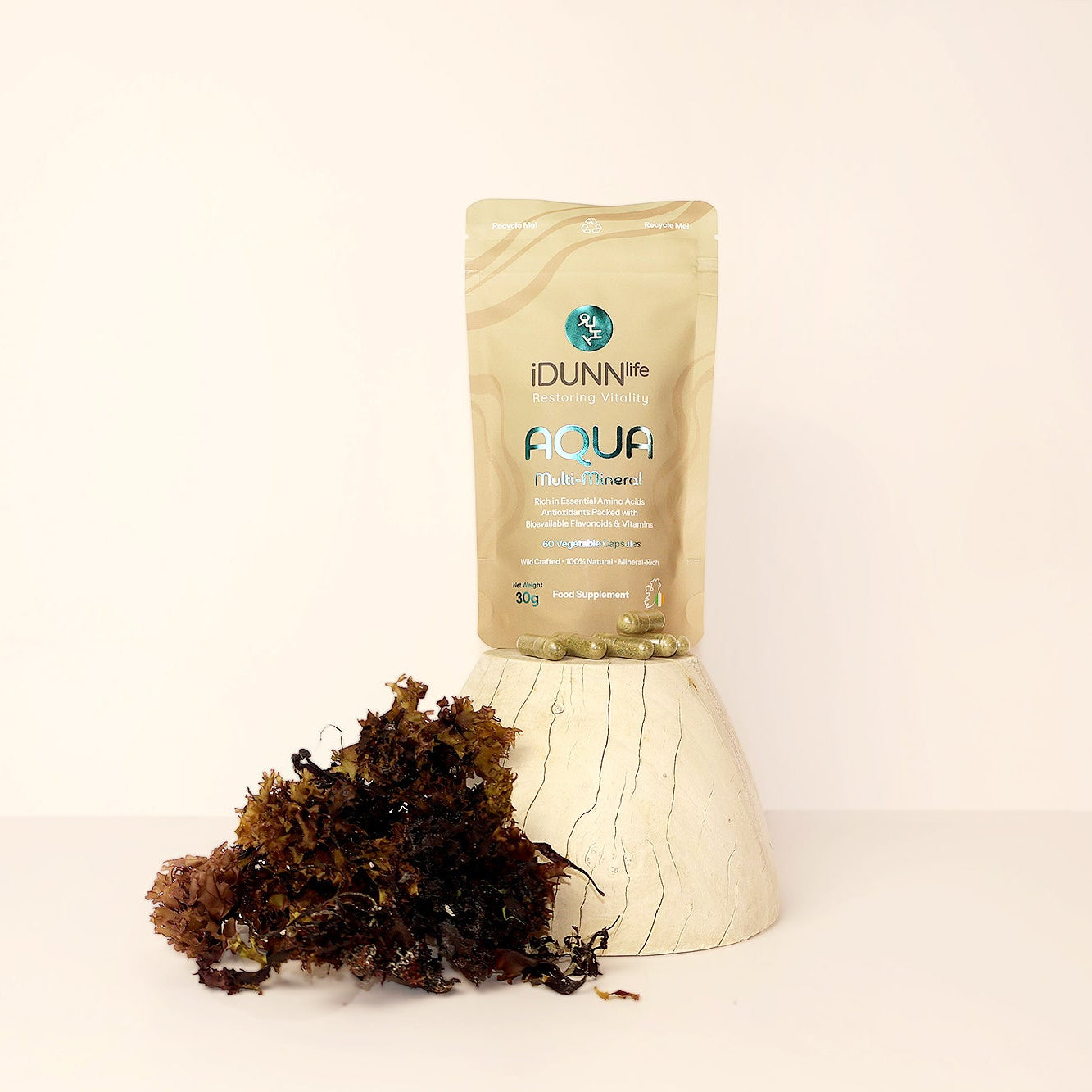
A Multi-Algae Marine Mineral Formula built from brown algae, gold algae, and blue-green algae, with iodine content confirmed through Batch-Specific Iodine Verification.
Across the line, iDUNNlife emphasizes Third-Party Laboratory Verification, Batch-Tested Marine Nutrition, sustainably sourced Atlantic ingredients, and small-batch production that stays vegan-friendly, gluten-free, and non-GMO.
Marine nutrition keeps drawing interest because it pairs naturally sourced botanicals with a level of manufacturing transparency that's still uncommon in the wider supplement industry. Practitioners who understand Marine Botanical Science, ingredient identification, and laboratory verification are better positioned to evaluate these products on evidence rather than marketing language. Third-Party Laboratory Verification, Batch-Tested Marine Nutrition, and Batch-Specific Iodine Verification each add a piece of that picture, and brands willing to document all three tend to be the ones worth a closer look.
1. What is marine nutrition?
2. Why do healthcare professionals review Third-Party Laboratory Verification?
3. What makes Marine Mineral Formulations different?
4. How does iDUNNlife demonstrate its quality standards?