Cart
0
You may also like


You may also like
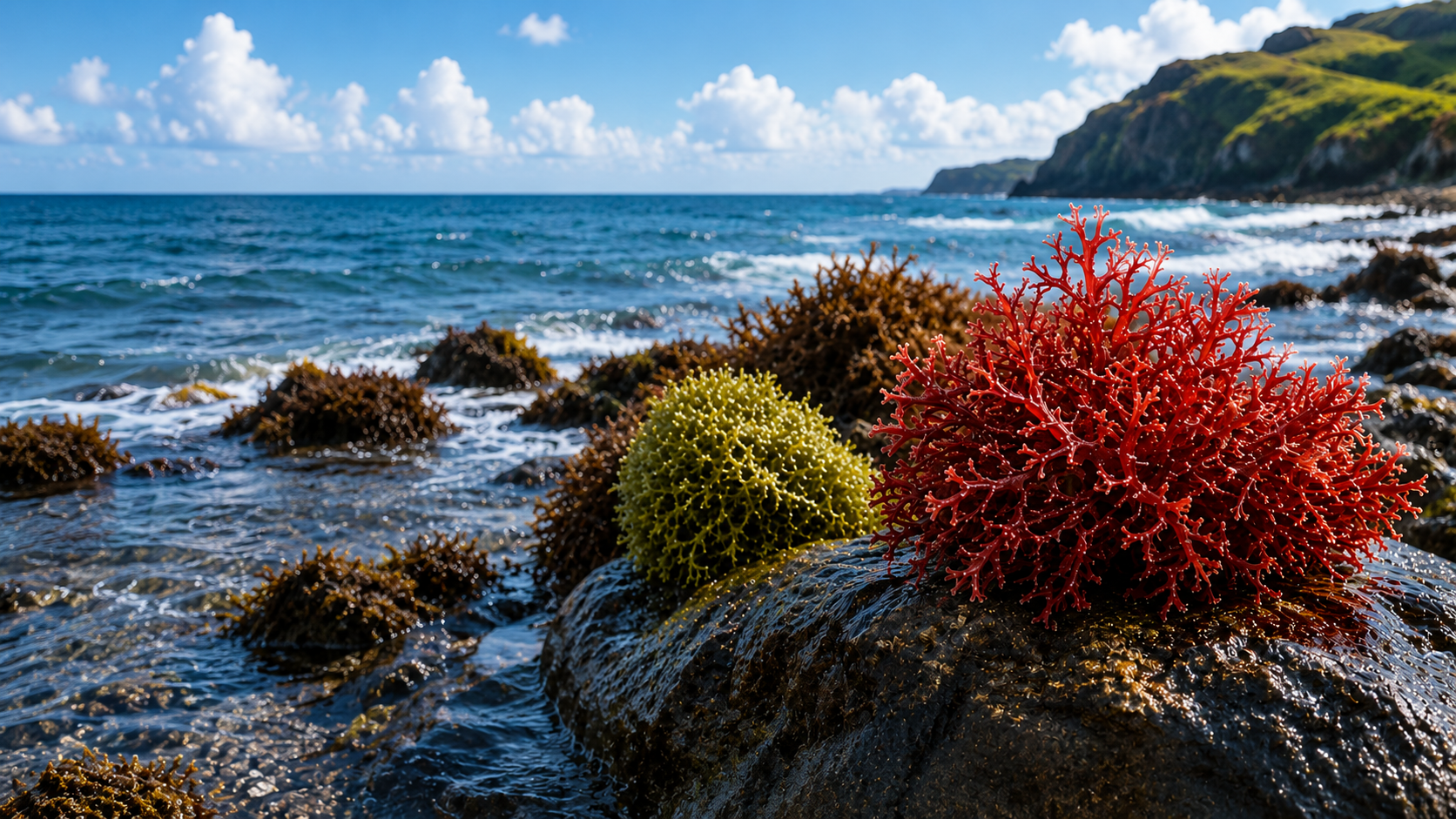

Table of Contents
You have probably seen sea moss all over social media and wellness blogs. But here is something most people do not realize. Not all sea moss is the same, not even close. The real deal is something called Chondrus crispus. That is the fancy Latin name for actual Irish sea moss. The kind people have been harvesting off the rocky coasts of Ireland for generations. The problem is that a lot of what is sold as sea moss today is not Chondrus crispus at all. It is something else entirely.
So let me break down what is Chondrus crispus, how to spot the fake stuff, and why it actually matters which one you buy.
Here is the simple version. Chondrus crispus is a red seaweed that grows in freezing cold Atlantic water. Not warm tropical beaches. Cold. Rough. The kind of water that crashes against the cliffs of Ireland and Canada.
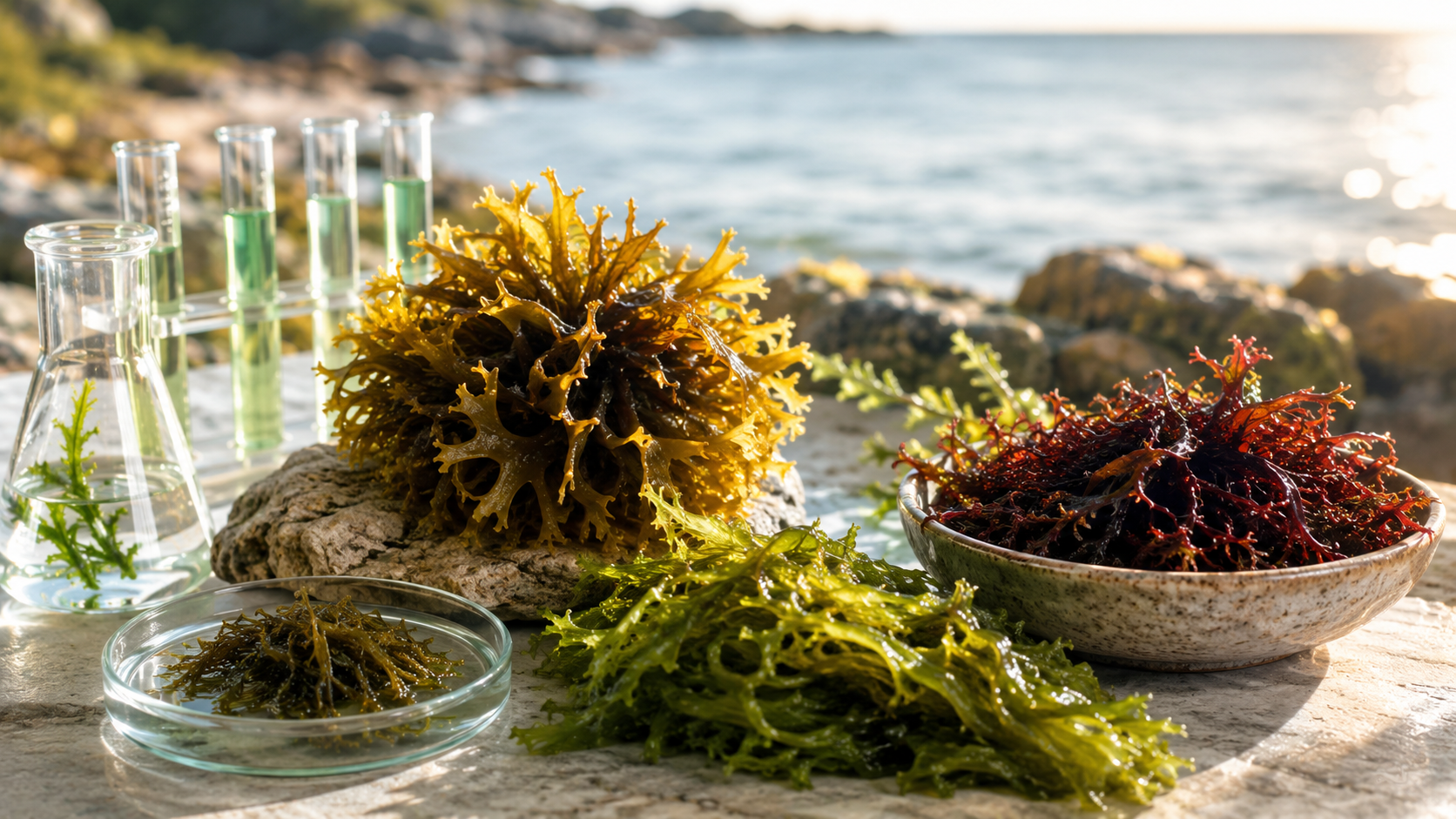
This stuff clings to rocks under the water. When you see it growing, it looks like reddish brown fans or branches. And when the light hits it just right, it can even shimmer blue or green. Pretty cool looking, honestly. People have called it Irish moss or carrageen moss for centuries. But if you want to know what is Chondrus crispus scientifically, that is the name you need to look for on a label.
Here is where it gets messy; a ton of what is sold online as sea moss is actually a different seaweed called Gracilaria. It grows in warm places like the Caribbean. It looks similar enough once it is dried and turned yellow or white. But it is not the same plant.
Why does that matter? Because Gracilaria is cheaper to grow. People farm it in pools, and it grows fast. It looks nice and uniform, but it does not have the same mineral makeup as real Chondrus crispus sea moss.
Here is the breakdown of the difference between sea moss species:
Chondrus crispus comes from cold Atlantic waters and has a dense, branchy structure
Gracilaria comes from warm tropical waters and feels softer and more tube shaped
Mastocarpus stellatus grows in cold water too but has curled edges with little bumps on the tips
Pool grown sea moss, no matter the species, usually lacks the mineral variety of wild stuff
So if you are looking for Chondrus crispus sea moss, you need to pay attention to where it came from and how it was grown.
You might be wondering why anyone should care about the difference between sea moss species. A 2024 study that looked at different seaweeds found that Chondrus crispus had more calcium, iron, manganese, and zinc than the other species they tested. It also had a good amount of amino acids and even some omega 3 fats, which you usually get from fish.
Here are the main benefits of Chondrus crispus that researchers have found:
It gives you a range of trace minerals like iodine, calcium, magnesium, and potassium
It has natural fibers that feed the good bacteria in your gut
It contains antioxidants that help protect your cells from everyday wear and tear
It provides amino acids that your body uses to build and repair things
It even has small amounts of EPA and DHA, which are hard to find in plants
This is what the research actually shows. Cold water produces a different plant than warm water; that is just how nature works.
Here is another thing people do not talk about enough. Sea moss sourcing makes a huge difference. Wildcrafted Chondrus crispus is harvested by hand from the ocean. People go out at low tide or even dive for it. They take only what they need and leave the rest to grow back. This seaweed has spent its whole life soaking up minerals from the ocean.
Pool grown sea moss is exactly what it sounds like. Grown in artificial tanks. It grows faster and looks prettier. But it misses out on the full mineral diversity that comes from a real ocean environment.
Here is how to tell wildcrafted Chondrus crispus sea moss from pool grown:
Wildcrafted comes in different colors; some pieces are greenish yellow, some are purple, some are dark brown; it varies naturally.
Pool grown looks too perfect, everything is the exact same color, that is usually a sign of bleaching or dyeing.
Wildcrafted smells like the ocean, strongly, pool grown has a much milder smell.
Wildcrafted gets way bigger and softer when you soak it. Pool grown does not expand as much.
So when you are shopping for Chondrus crispus, look for wildcrafted from clean Atlantic waters. That is where the good stuff comes from.
Here is the thing about why Chondrus crispus matters. Your body needs minerals to do pretty much everything. Keep your heart beating. Send signals through your nerves; keep your muscles working, all of that requires minerals.
But a lot of people do not get enough minerals from food anymore. The soil vegetables grow in is not as rich as it used to be. Processed foods have almost no minerals and life is busy, so eating perfectly every day is hard.
That is where marine mineral support from Chondrus crispus comes in. The ocean is full of minerals. Seaweeds like Chondrus crispus absorb those minerals as they grow, when you eat the seaweed, you get those minerals.
This is not about taking a huge dose of one isolated mineral from a lab. It is about getting a broad mix of trace minerals the way nature intended, slowly, gently in the background.
You have a few options if you want to try Chondrus crispus.
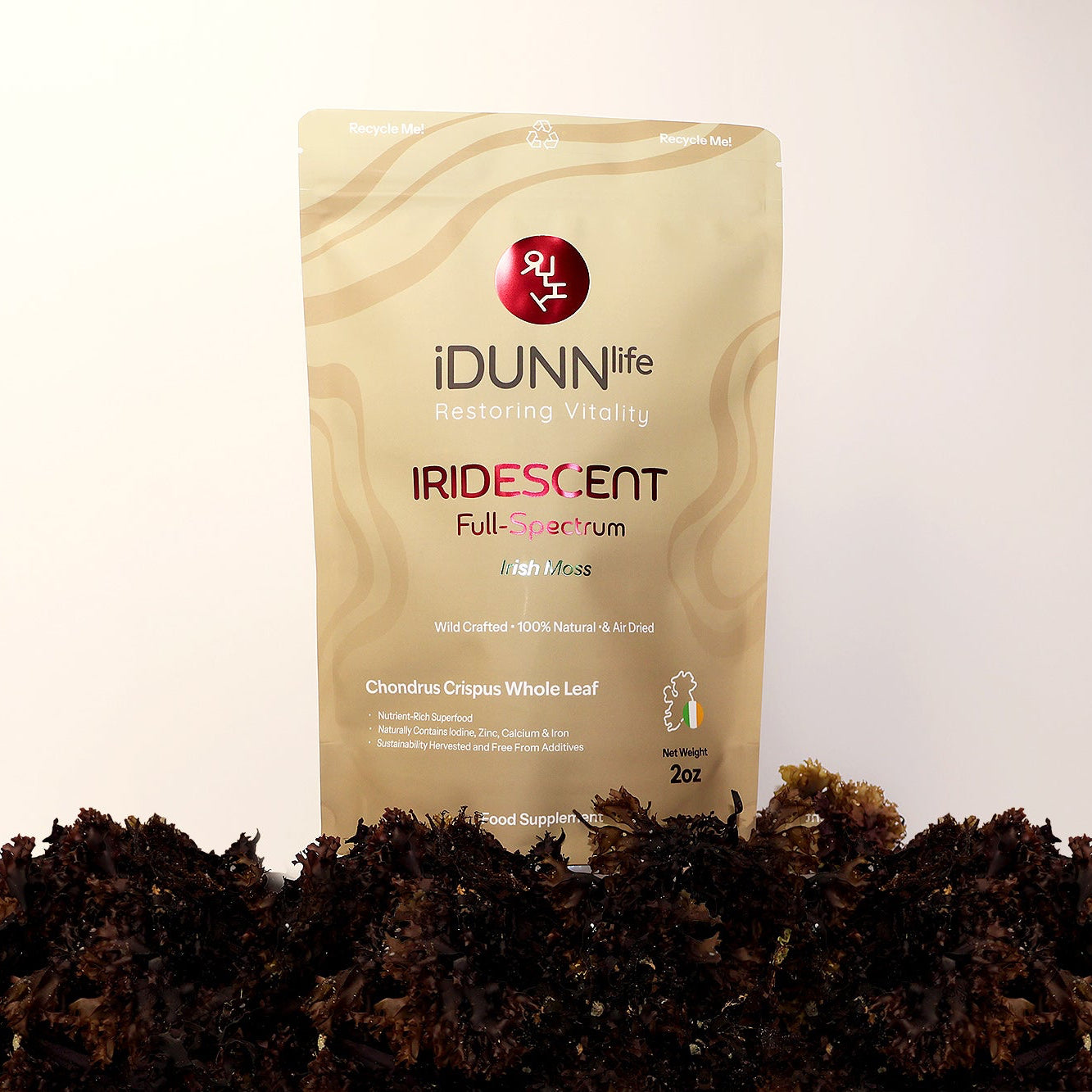
Some people buy the dried whole seaweed and make gel at home. You soak it overnight, rinse it, blend it with water, and stick it in the fridge. It takes some work, but a lot of people enjoy the process.
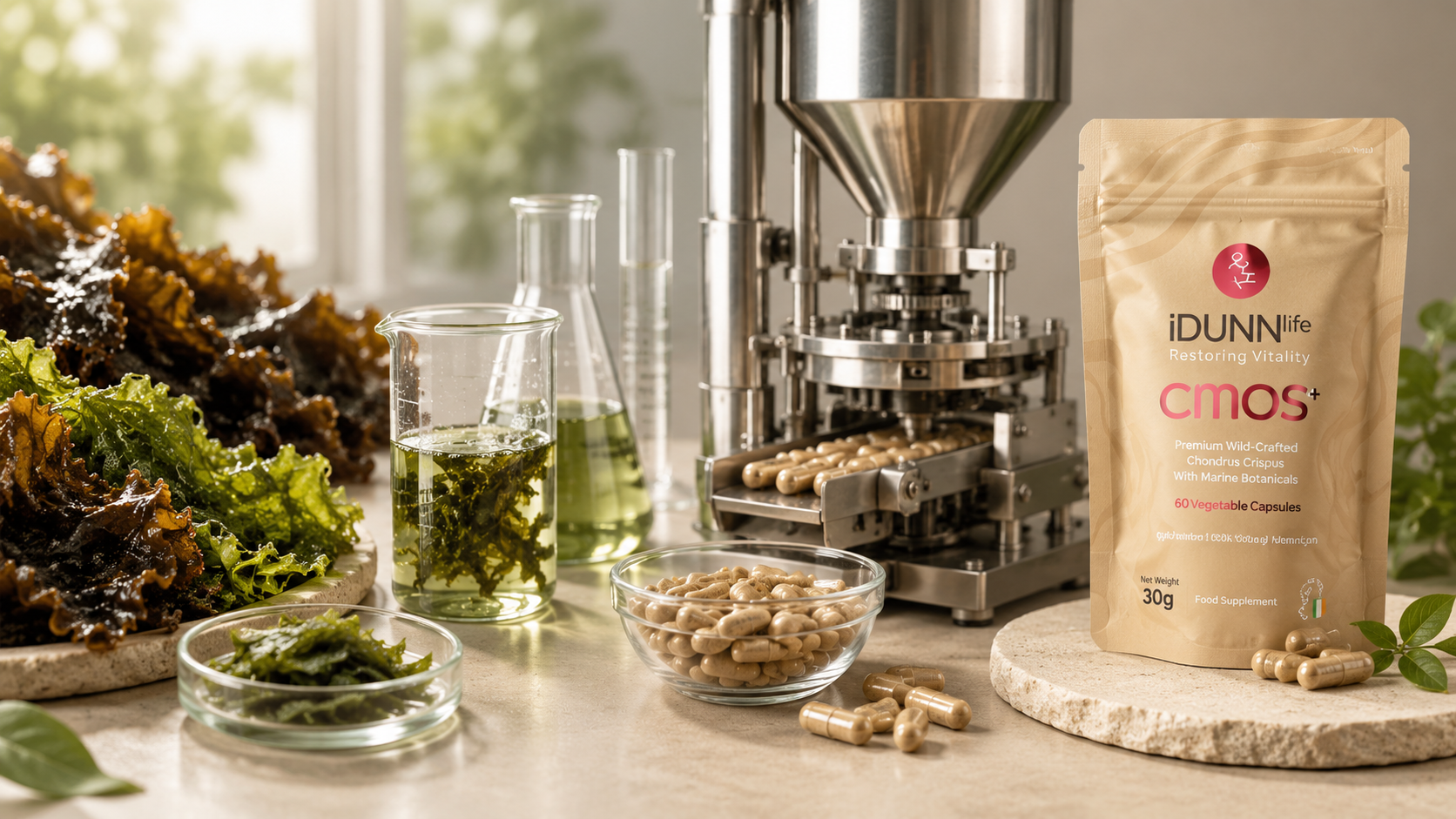
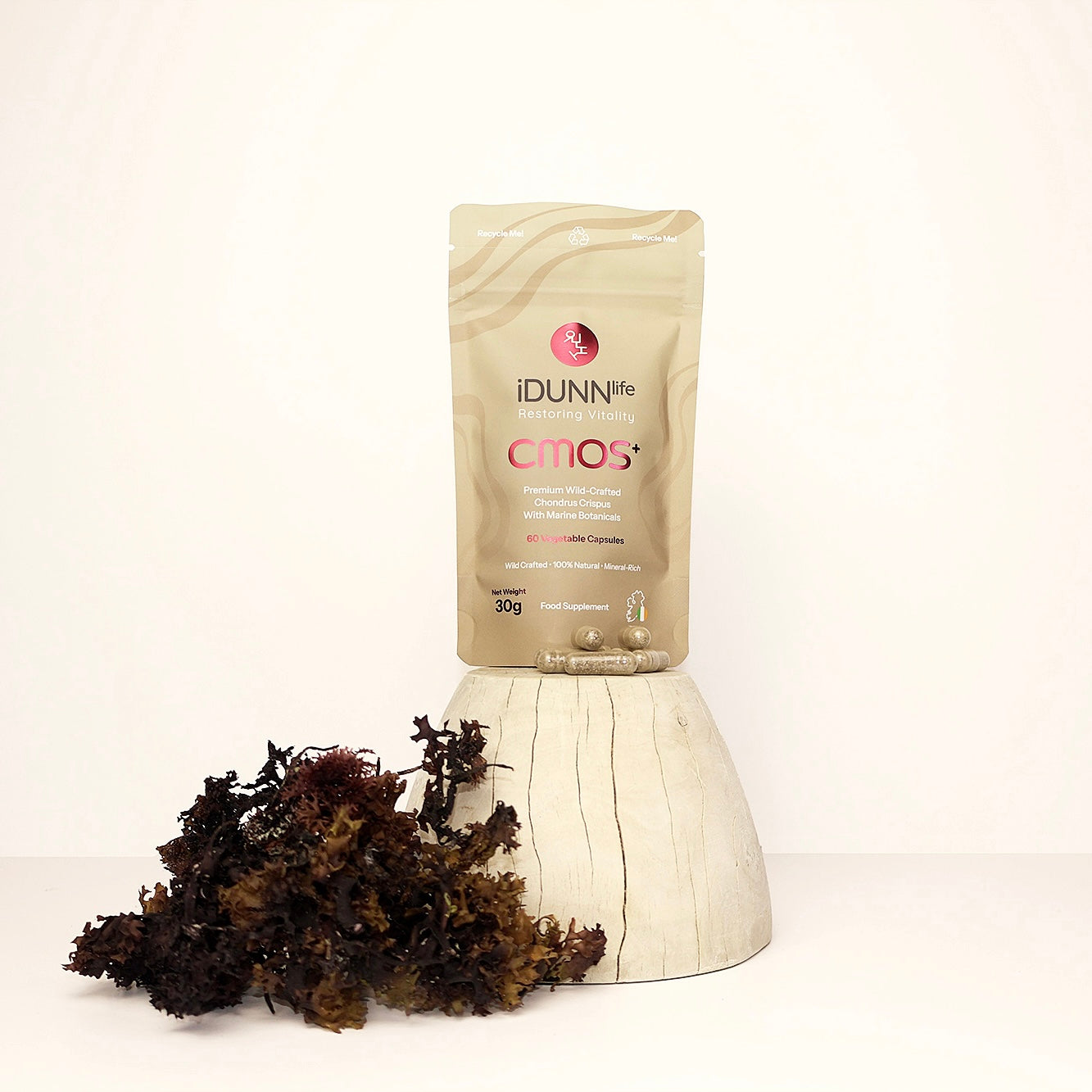
Other people go for Chondrus crispus capsules. These are way more convenient, you just swallow them with water; no soaking, no blending, no worrying about the gel going bad in your fridge.
Irish sea moss supplements in capsule form are great for people who travel a lot or just do not have time for kitchen projects. You get the same seaweed in a precise serving every single day.
For anyone looking for marine wellness supplements, Chondrus crispus works really well alongside other sea plants like bladderwrack. Together, they cover a wider range of trace minerals.
Sea moss wellness products have gotten popular for a reason. The mineral content is real. But quality varies so much that you really have to know what you are looking for. That is why Chondrus crispus matters more than most people realize.
Here is a quick checklist for anyone shopping for Chondrus crispus:
Look for the words Chondrus crispus on the label. If it just says "sea moss" without the scientific name, be careful. Check if it says wildcrafted or ocean harvested, that is better than pool grown.
Look at the color, real Chondrus crispus varies. If everything looks exactly the same, someone probably dyed it.
See if the company does third party testing for heavy metals. Seaweed can absorb stuff from polluted water, so testing matters.
Avoid anything that has been bleached white. Real sea moss is not white unless it has been treated.
Remember that what is Chondrus crispus actually matters because the fake stuff does not give you the same minerals. The benefits of Chondrus crispus come from its unique profile. And that profile only develops in cold Atlantic water.
So after all of that, what is Chondrus crispus? It is the real Irish sea moss. Grown in cold Atlantic water. Harvested by hand. Packed with minerals that actually come from the ocean. The benefits of Chondrus crispus are real; Trace minerals, Amino acids, even some omega 3s, but only if you are getting the real thing and a lot of what is sold out there is not the real thing.
Pay attention to sea moss sourcing. Look for wildcrafted Chondrus crispus from clean water. Avoid pool grown imposters that look too perfect.
Whether you take Chondrus crispus capsules or make gel at home, the key is consistency. A little bit every day from a good source will serve you way better than a big amount of something that is not even the right species.
Bigelow Laboratory for Ocean Sciences. "Subtidal Zone: Chondrus crispus.
National Institutes of Health, PubMed. "Seaweed Nutritional Value and Bioactive Properties: Insights from Ascophyllum nodosum, Palmaria palmata, and Chondrus crispus.
National Institutes of Health, PubMed. "Biochemical profiling and antioxidant activity analysis of commercially relevant seaweeds from northwest Europe.
Healthline. "Sea Moss: Benefits, Nutrition, and Preparation.
What is Chondrus crispus?
Why does sea moss sourcing matter?
What is the difference between sea moss species?
Why Chondrus crispus matters for marine mineral support?
Are Chondrus crispus capsules as good as whole seaweed?
What is Chondrus crispus and why should I care?
How can I tell if my sea moss is real Chondrus crispus?
Is pool grown sea moss bad for you?
Are sea moss capsules as good as making gel at home?
Why does sea moss sourcing actually matter?
How much sea moss should I take every day?