Cart
0
You may also like


You may also like


Table of Contents
Most of us know calcium and magnesium by name, yet the minerals that carry out some of the body's most precise jobs rarely get a mention. So what are trace minerals, and why do they keep appearing in nutrition advice? This guide explains the basics in plain language, looks at the importance of trace minerals in everyday eating, and shows where food, and sometimes supplements, fit in. It is educational rather than medical advice, and nothing here suggests that everyone needs more of them.
Put simply, what are trace minerals? They are minerals the body needs in very small amounts, generally 100 milligrams a day or less, to carry out specific tasks such as building enzymes, making hormones and moving oxygen through the blood. The body cannot make them, so they have to come from food and drink.
Major minerals such as calcium, magnesium and potassium are needed in larger quantities and shape much of the body's structure and fluid balance. Trace minerals are needed in tiny quantities, but small does not mean minor. A shortfall in either group can cause problems.
Needs differ by mineral, age, sex and life stage, and national guidelines set recommended intakes for each one. The margin is also narrow in both directions. Too little can cause problems, and too much of certain minerals, including iron, zinc, selenium and iodine, can be harmful. More is not automatically better.
The table below summarises essential trace minerals and their functions alongside typical dietary sources. Treat it as a general overview, not a prescription.
|
Mineral |
Key role |
Common dietary sources |
|
Zinc |
Normal immune function, wound healing, enzyme activity |
Meat, shellfish, legumes, seeds |
|
Iron |
Carries oxygen in the blood |
Red meat, poultry, lentils, leafy greens |
|
Iodine |
Needed to make thyroid hormones |
Seafood, seaweed, dairy, iodised salt |
|
Selenium |
Part of antioxidant enzymes, supports thyroid hormone activity |
Brazil nuts, fish, eggs |
|
Copper |
Iron metabolism, connective tissue |
Nuts, seeds, whole grains, shellfish |
|
Manganese |
Bone formation, enzyme function |
Whole grains, nuts, tea |
|
Chromium |
Involved in how the body handles carbohydrate |
Whole grains, meat, some vegetables |
|
Molybdenum |
Works with enzymes that process proteins and other compounds |
Legumes, grains, nuts |
A few deserve a closer look. Zinc contributes to normal immune function, and iron is central to oxygen transport. Iodine is required for thyroid hormone production, while selenium works alongside it in antioxidant enzymes and in thyroid hormone activity. Copper, manganese, chromium and molybdenum are needed in even smaller amounts, yet each is tied to enzymes that keep ordinary metabolism running.
The role of trace minerals in daily nutrition is mostly background work. When intake is adequate, you do not notice them at all. They contribute to:
Normal metabolism and enzyme activity: many trace minerals act as cofactors that help enzymes do their work
Thyroid, blood and immune function: iodine and selenium for the thyroid, iron for blood, zinc and copper for immune processes
Bone and connective tissue: manganese and copper contribute to the normal maintenance of both
So what are the benefits of trace minerals when intake is already adequate? Mostly maintenance. They keep normal functions running, which is a very different thing from a quick fix. That is the real importance of trace minerals: steady consistency over time rather than dramatic effects.
Reliable food sources of trace minerals are easier to find than most people expect.
Meat, seafood, eggs and dairy: supply zinc, iron, iodine and selenium, often in forms the body absorbs well
Whole grains, nuts, seeds and legumes: provide copper, manganese, molybdenum and zinc, although natural compounds such as phytates can reduce absorption
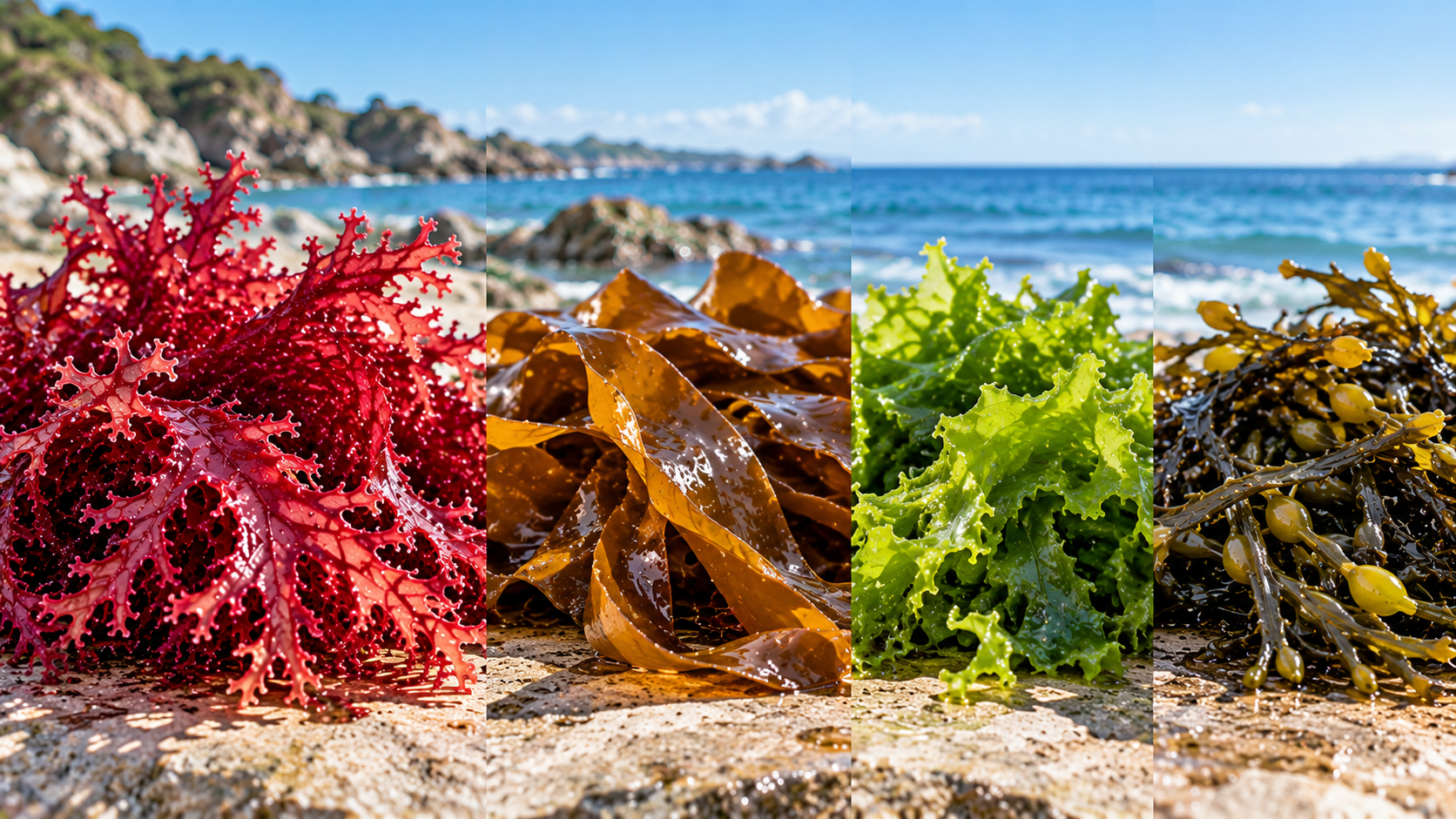
Seaweed and other marine sources: take up minerals from seawater, notably iodine, but levels vary widely by species and batch. Whole leaf marine algae is one example
Mineral content in plants also reflects the soil they grew in, so two batches of the same food can differ. People who search “what are trace minerals” are often hoping for a simple shopping list, and the honest answer is variety: a mix of animal foods, plant foods and, if you like it, seafood.
Low intake can happen, and the reasons are usually practical rather than mysterious.
Very restricted or limited diets
Digestive conditions that reduce absorption
Higher needs during pregnancy, childhood and breastfeeding
Regional differences in soil minerals
Competition between minerals, for example high zinc intake affecting copper
Common trace mineral deficiency symptoms such as tiredness, brittle nails or frequent colds are also linked to stress, poor sleep and many unrelated causes. Because trace mineral deficiency symptoms overlap so much with everyday life, guessing is unreliable. If you suspect a shortfall, a healthcare professional can arrange testing and advise on next steps.
Food comes first. A varied diet supplies most people's needs, and it delivers minerals alongside fibre, protein and other nutrients that help with absorption. Supplements are not a substitute for a balanced diet.
Trace mineral supplements can make sense when a diet is restricted, when needs are higher, or when a professional has identified a gap. They are a tool for specific circumstances rather than a default for everyone. Before buying anything, return to the basic question: what are trace minerals, and is there a real gap to fill?
There is no single best trace mineral supplement, because the right choice depends on the person, the mineral and the dose. A few checks help:
Named ingredients and exact amounts per serving, not vague proprietary blends
Independent, batch-level testing, including heavy metals
Clearly stated iodine content, especially for seaweed-based products
Doses that respect upper intake levels
Advice from your healthcare provider if you are pregnant, take medication or have a thyroid condition
To see what testing can look like in practice, read about our marine mineral testing and quality standards and the published lab reports.
Seawater contains dozens of dissolved elements, and marine plants absorb some of them as they grow. So what are trace minerals doing in seaweed? They are the same elements listed in the table above, taken up directly from the water.
Marine algae such as Chondrus crispus, brown seaweeds such as bladderwrack and other sea plants can contribute minerals, with iodine the most notable. They are one source among many, not a replacement for a varied diet. The marine trace minerals in any seaweed product depend on the species, the water it grew in, how it was processed and the individual batch.
Because content varies so widely, figures should come from laboratory testing rather than generic tables. Iodine needs particular care. It is essential for the thyroid but harmful in excess, and some brown seaweeds can be very high. Ask for batch-specific results, and see our marine trace mineral profiles for the kind of detail worth looking for.
Knowing how to use trace minerals sensibly matters more than chasing high doses.
Start with food: build meals around a variety of whole foods, including seafood, nuts, seeds, legumes and whole grains
Keep supplements modest: follow the label, never exceed the recommended serving, and remember that several products can add up
Be consistent: foundational nutrition works slowly, so regular intake matters more than occasional large amounts. Our daily foundation collection is built around that idea
Take care with iodine: check the iodine content of any seaweed product, especially if you have a thyroid condition
Talk to a professional: before starting if you are pregnant, breastfeeding, on medication or managing a health condition
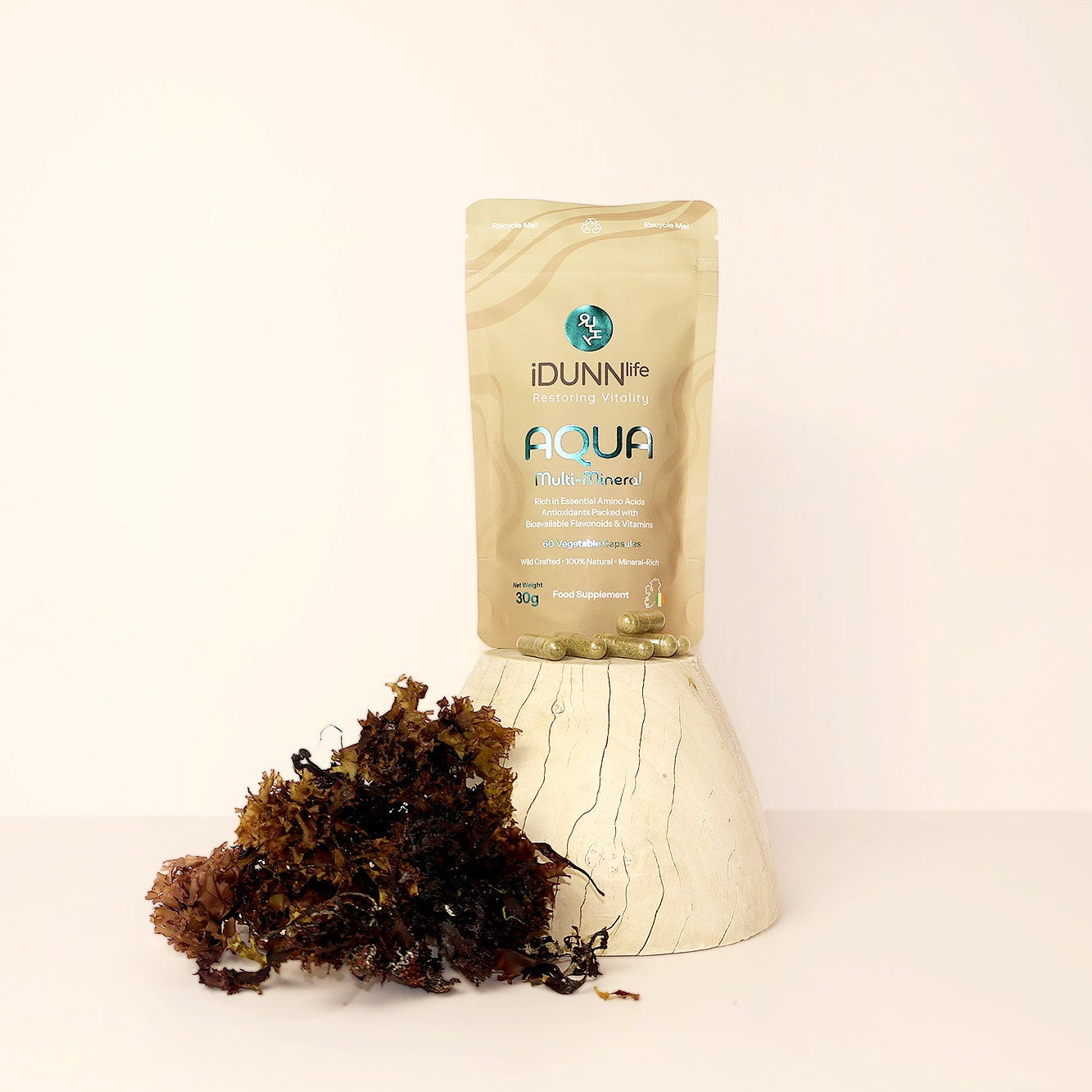
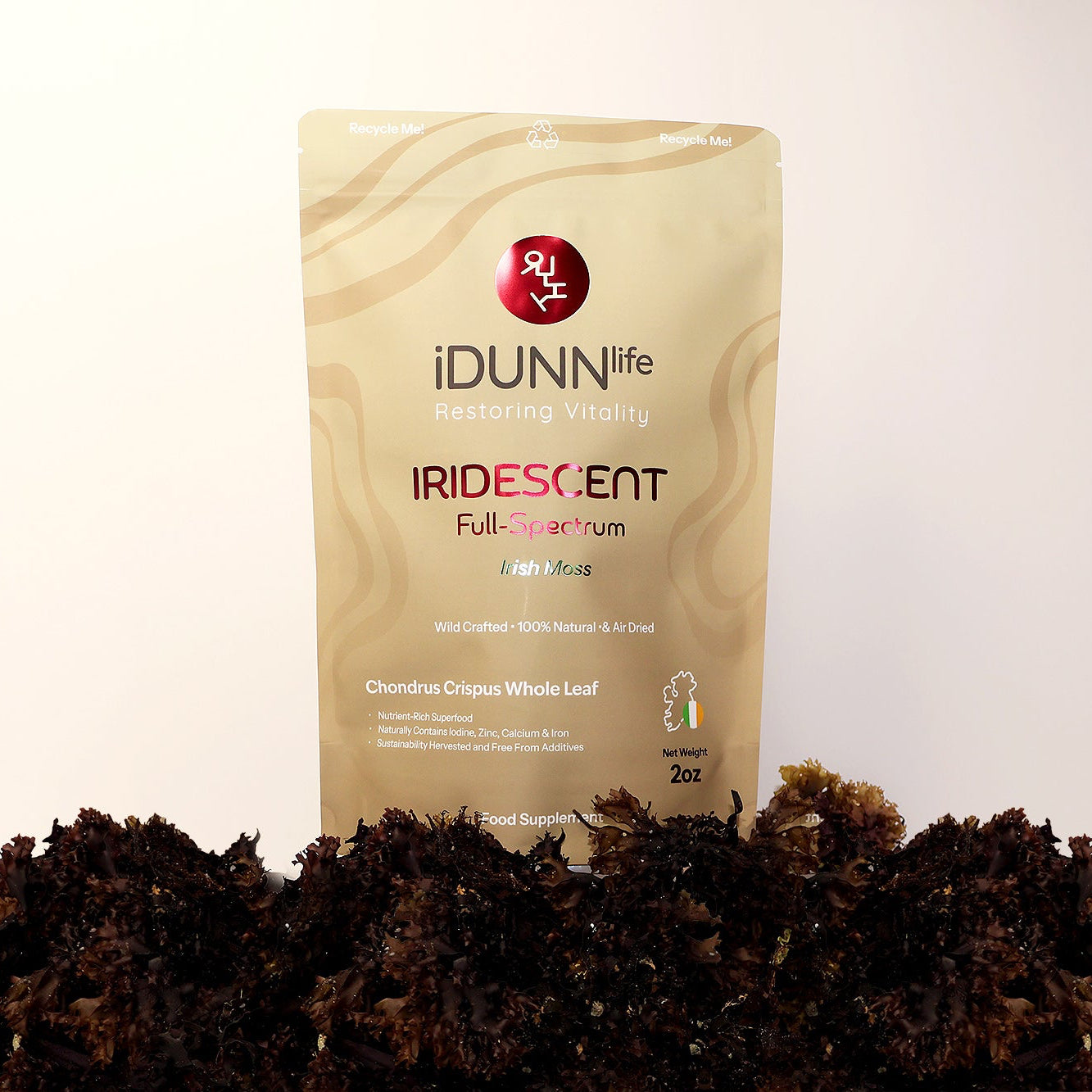
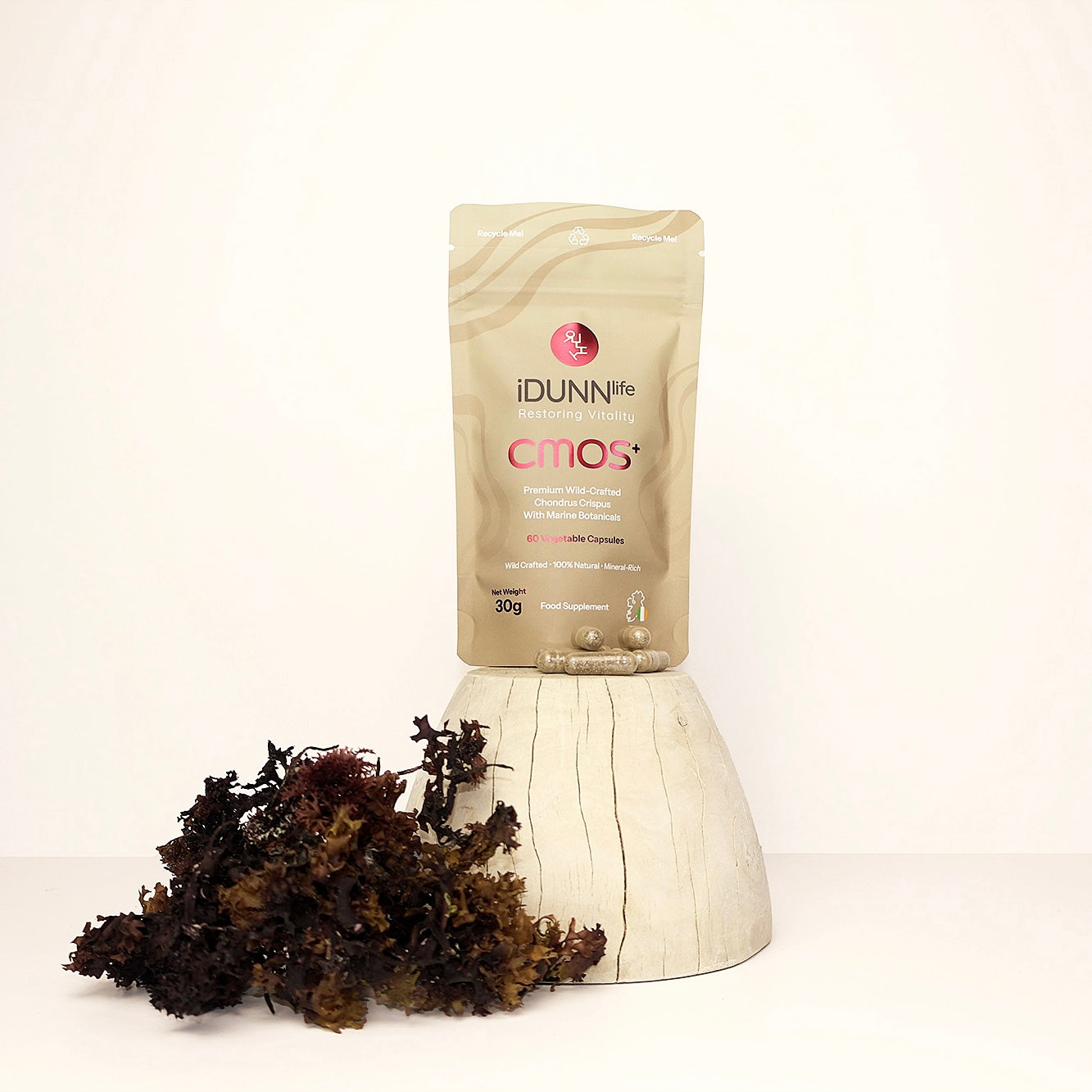
iDUNNlife is built around marine mineral nutrition, and we treat marine algae as one useful source within a balanced diet, never a replacement for one. Our formulas are developed by Certified Master Herbalist Nata Jack and sustainably sourced from the Atlantic coast. CMOS is a single-ingredient formula made from authenticated wild Atlantic Chondrus crispus, CMOS+ pairs red and brown marine algae with bladderwrack and burdock root, and AQUA is a multi-algae formula that combines four marine algae. Every batch is independently tested by JHG Analytical Services in Waterford, Ireland, with lab reports available to read. You can learn more about our ingredient transparency approach, explore Chondrus crispus marine nutrition, the CMOS+ marine algae complex and AQUA, or browse our full trace elements collection.
So, what are trace minerals? They are nutrients needed in small amounts for enzymes, hormones, blood and bone. Food does most of the work, supplements have a place in specific situations, and marine sources can add to the picture when they are well sourced and properly tested. Keep the approach balanced, read labels carefully and speak with a professional if you are unsure.
For more practical guides, visit the iDUNNlife blog, or read about the thinking behind the brand on the Science page.
Sources and further reading
MedlinePlus: Minerals
NIH Office of Dietary Supplements: Dietary supplement fact sheets
Q1. What are the most important trace minerals?
Q2. Can you get trace minerals from food?
Q3. Are trace minerals and electrolytes the same?
Q4. Are trace mineral supplements necessary every day?
Q5. What should you check when choosing a trace mineral supplement?